 You are viewing the Premier Home location.

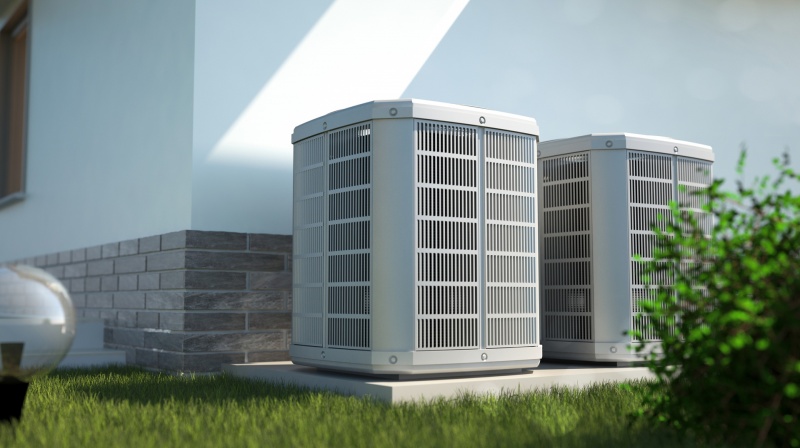
Heat pumps are increasing in popularity all around the country as they become a high-profile option to replace traditional heating and cooling systems. Heat pumps work to both cool and heat a space, easily switching between two modes with only an adjustment to the thermostat, and homeowners may notice issues when heat pump not switching to heating as the seasons change.
So the question for you is: Are you one of those homeowners who’ll benefit from replacing their current AC and furnace to a heat pump? We’ll look at this in more detail below. You can always rely on the assistance of our team of experts whenever you need help with your home comfort system.
Is It Worth Replacing Your AC and Furnace With a Heat Pump?
- Heat pumps provide both heating and cooling in one energy-efficient system
- They use electricity to transfer heat, which can lower monthly utility costs
- Modern heat pumps perform well in mild to moderately cold climates
- Replacing both systems at once can reduce long-term maintenance expenses
- Incentives and rebates may offset installation costs in many areas
Should You Replace Your AC and Furnace with a Heat Pump?
First, it’s important to know that a heat pump is not a worthwhile purchase if you only plan to use it to do one part of its job. It’s supposed to take over the job of both the air conditioning system and the furnace. If you’re only looking to replace the air conditioner or the furnace—probably because one is much older than the other—a heat pump is not the best choice.
The good news is that if you’re replacing both your AC and furnace with a heat pump, you’ll end up paying less. Heat pumps are more costly to purchase than an individual air conditioner or furnace (gas or electric), but they cost less than buying both a new AC and furnace.
Benefits of Replacing Your AC and Furnace with a Modern Heat Pump
There are several reasons why changing from an old HVAC setup to a heat pump can be highly beneficial:
- Heat pumps can save money in heating mode compared to furnaces, particularly electric furnaces. Heat pumps don’t generate heat like furnaces do. Instead, a heat pump uses its components to move heat from one place to another (either out of the house to cool it or into the house to warm it). This process consumes much less energy than a furnace, but problems can arise if heat pump won’t change modes. You may see a 3 to 4 times increase in HVAC efficiency thanks to a heat pump.
- Heat pumps are safer than using a furnace. Because they’re all-electric, heat pumps don’t have the worries that come with a gas-combustion furnace. In fact, the exterior of heat pumps don’t even get warm when they’re working in heating mode.
- Heat pumps are helpful to the environment. They reduce reliance on fossil fuels and don’t place any harmful emissions into the air. Heat pumps have a reduced impact on the climate compared to other systems.
Heat Pump Pros and Cons: What Homeowners Should Consider
We already mentioned one drawback, which is that a heat pump must replace both the AC and heater, otherwise it’s too expensive. Another drawback is that heat pumps can lose some of their energy efficiency in extremely cold temperatures. It becomes more difficult for heat pumps to draw heat energy from the air when the outdoor temperature is below zero, which can also affect heat pump system life expectancy. Thankfully, we don’t experience extreme winters in our area. Our climate is ideal for heat pumps.
If you want more in-depth answers, the Premier team is glad to help you. Our technicians are heat pump pros who do everything from new installations to maintenance and heat pump repair in Riverdale, GA.
Frequently Asked Questions
Question: Should I replace both my AC and furnace with a heat pump?
Answer: If you need to replace both your air conditioner and heater, switching to a heat pump can be a good choice. Heat pumps provide both cooling and heating in one system, often costing less overall than buying and installing a new AC and furnace separately, and offering higher year round efficiency.
Question: What are the energy efficiency benefits of a heat pump?
Answer: Heat pumps transfer heat rather than generate it, so they can use much less energy for heating compared to traditional furnaces. This dual purpose operation (heating and cooling) can significantly reduce utility bills over time compared with separate AC and furnace systems.
Question: Are there any drawbacks to replacing my AC and furnace with a heat pump?
Answer: One drawback is that heat pumps can lose some efficiency in extremely cold climates, making heating less effective without backup heat. They also tend to cost more upfront than a single AC or furnace, though savings over time can offset that.
Question: How do heat pumps perform in different climates?
Answer: Heat pumps work best in mild to moderate climates. In areas with extremely cold winters, they may need supplemental heat or a dual fuel system paired with a furnace to maintain comfort during the coldest days.
Question: Are heat pumps better for the environment than traditional systems?
Answer: Yes, heat pumps produce fewer emissions because they run on electricity and don’t burn fossil fuels like gas furnaces do, which can help reduce your home’s carbon footprint and support environmental sustainability.