 You are viewing the Conyers, GA location.
Georgia summers are no strangers to long stretches of triple-digit heat indexes and relentless humidity. During these intense weather events, air conditioners often run for hours without a break just to keep indoor temperatures comfortable. For homeowners considering AC replacement in Conyers, GA, understanding how extreme heat affects an aging system can help prevent an unexpected breakdown during the hottest days of the year.
Why Heat Waves Are So Hard on Air Conditioners
Every cooling system is designed with a certain workload in mind. During mild weather, your system cycles on and off throughout the day. Heat waves change that pattern dramatically. Instead of resting between cycles, your equipment may run continuously from late morning until well after sunset.
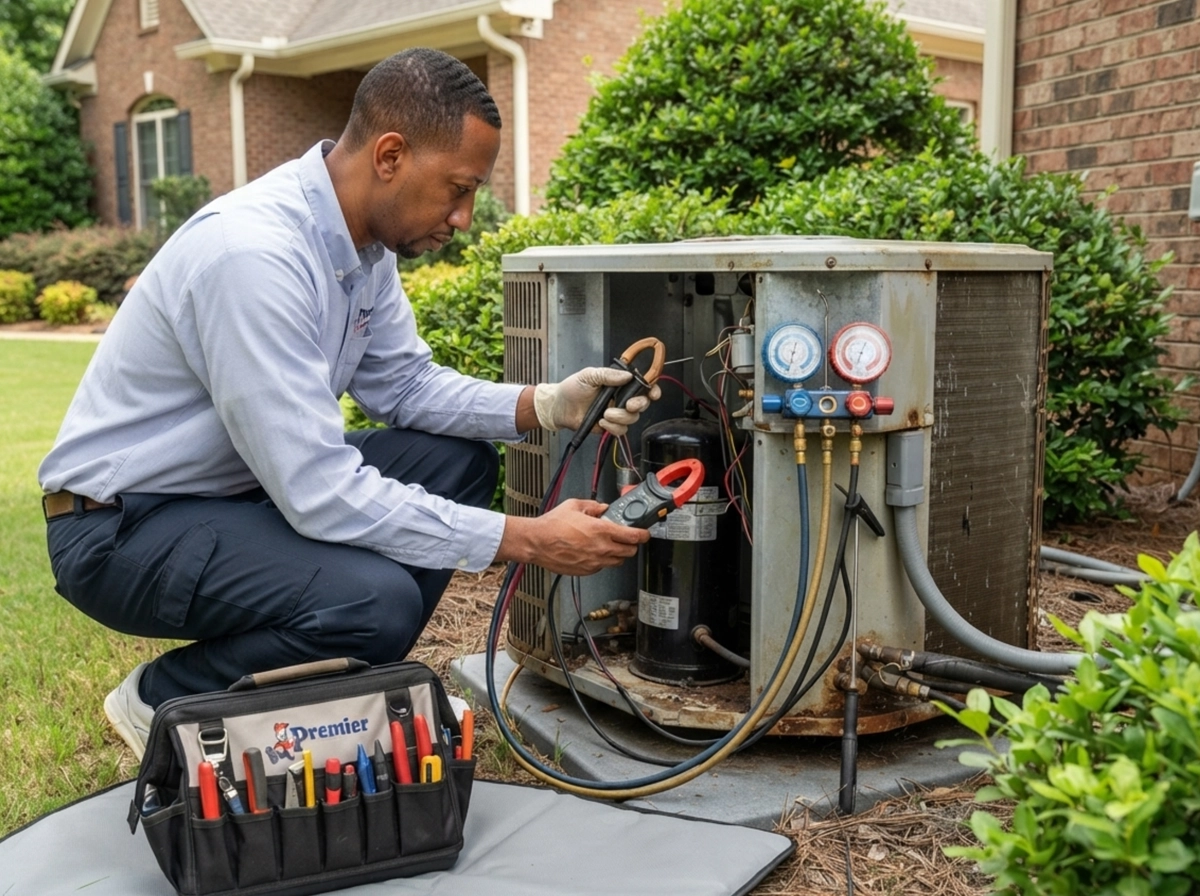
This constant operation places extra stress on critical components such as the compressor, fan motors, capacitors, and electrical connections. Even a well-maintained unit experiences additional wear during prolonged periods of extreme temperatures. Older systems feel that strain even more, especially if they are already operating with declining efficiency. So how can you tell if it’s time for AC replacement?
Your Energy Bills Keep Climbing
One of the first signs that a cooling system is nearing the end of its service life is steadily increasing utility costs. As equipment ages, it must work harder and run longer to produce the same level of comfort it once delivered with ease.
If your home feels warmer while your monthly bills continue rising, your system may be losing efficiency due to aging parts, airflow restrictions, or declining cooling capacity.
Uneven Temperatures Throughout the Home
Hot and cold spots are another common warning sign. You may notice that upstairs rooms never seem to cool down or that some areas feel comfortable while others remain stuffy and humid.
While ductwork issues can sometimes contribute to these problems, an older air conditioner may simply no longer have the power needed to keep up with Georgia’s summer conditions.
Frequent Repairs Start Adding Up
Occasional repairs are normal over the life of any HVAC system. However, if service calls are becoming a yearly—or even seasonal—occurrence, replacement may become the more economical choice.
Repeated compressor problems, refrigerant leaks, electrical failures, and blower issues often signal that major components are reaching the end of their lifespan. Investing in repair after repair can quickly become more expensive than upgrading to a newer, more efficient model.
Strange Sounds and Longer Cooling Cycles
Grinding, rattling, buzzing, or squealing noises should never be ignored. These sounds often indicate worn components struggling under heavy demand.
You may also notice that your system takes much longer to cool the house than it did in previous summers. Longer run times paired with reduced comfort are clear indicators that your equipment is losing the battle against the heat.
Know When It’s Time to Plan Ahead
The best time to consider a new system is before your current one fails during a heat wave. Our expert team can evaluate your equipment, explain its condition, and help you explore replacement options that fit your home’s size, comfort goals, and budget. Planning ahead gives you more choices, greater efficiency, and peace of mind when the next Georgia heat wave arrives.