 You are viewing the Conyers, GA location.
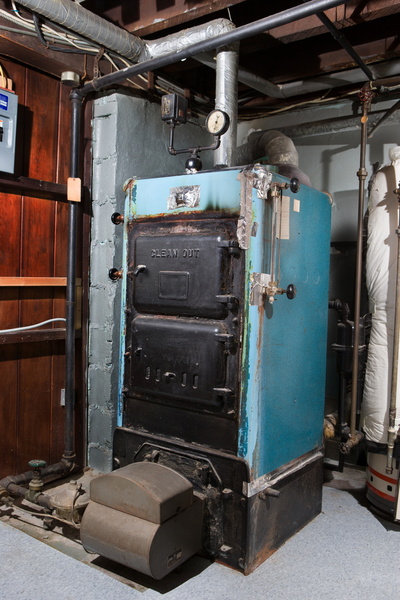
Gas furnaces aren’t “dangerous” devices to have in your home. If they were, they wouldn’t be permitted in so many homes across the country. However, any appliance that runs on natural gas can become hazardous because of malfunctions, such as leaks in the gas line, ventilation problems that result in exhaust fumes getting pushed into living spaces, and combustion dangers.
If you know the proper safety measures to take there’s no reason you won’t enjoy a worry-free winter with your furnace. Below are our tips for gas furnace safety. If you have any furnace concerns, please call on us for furnace repair in Conyers, GA.
What HVAC Maintenance Steps Keep Your Gas Furnace Safe in Winter?
- Schedule a professional inspection before the heating season begins
- Replace or clean the air filter to maintain proper airflow
- Check for gas leaks or unusual odors around the furnace
- Keep vents, flues, and exhaust pipes clear of debris
- Test carbon monoxide detectors to ensure they are working properly
- Keep combustible materials away from the furnace area
Key Gas Furnace Safety Tips to Keep Your Home Safe This Winter
1. Always Schedule Annual Maintenance
This is the most important safety step you can take for your furnace. A regular maintenance visit for a gas furnace includes a safety inspection that checks the gas pressure, looks for cracks in the heat exchanger, and monitors the exhaust system. The other regular maintenance steps make it less likely that the furnace will malfunction. We recommend getting furnace maintenance in the fall, but it’s never too late to get it done!
2. Keep the Area Around the Furnace Clear
It’s important that your furnace has a clear space around its cabinet for about a foot. This allows it to more easily draw the air it needs for combustion; it also prevents heat from the furnace or a stray spark from igniting combustible materials. Because many furnaces are located in parts of the home where people store items, it’s easy for clutter to gather around the heater. Be especially careful of putting fuel or pain thinner near your furnace.
3. Check Your CO Detectors
You do have carbon monoxide (CO) detectors in your home, right? These are essential if your house uses natural gas in any way. Before you start regularly using your furnace for the winter, test all of the CO detectors in your home to ensure they’re working and don’t need to have new batteries put in or the units replaced.
4. Regularly Change the Air Filters
The furnace filter needs to be changed every 1–3 months during the winter. This filter protects the interior of the furnace from dust and other debris, but it will become congested unless it’s changed. A blocked filter can cause the furnace to overheat and create safety hazards, so be sure to follow late-season furnace maintenance tips if you haven’t kept up with changes.
5. Always Schedule Prompt Repairs
If you notice anything amiss with your furnace, such as odd noises or smells or a drop in heating power, don’t ignore it. Seemingly small problems can turn into bigger ones—possibly dangerous ones. Always call for professionals when you need assistance with your furnace. The sooner you have the problem repaired, the less likely you’ll have a hazardous furnace.
6. Know When to Replace
An old furnace can become dangerous from the years of wear even with the best maintenance. When your gas furnace is more than 15 years old, we strongly recommend calling our technicians to inspect it and provide you with an estimate on whether it should be replaced. If you’re considering alternatives, ductless systems offer great heating too. We’ll give you honest answers about what will best suit your home.
Schedule a Professional Furnace Safety Inspection Before Winter
The Premier team is dedicated to ensuring your safety and warmth each winter. We’re ready with the detailed maintenance and fast repairs you may need.
Frequently Asked Questions
Question: Why is gas furnace safety especially important during winter?
Answer: Gas furnace safety is critical during winter because systems run more frequently and for longer periods. Increased usage raises the risk of mechanical issues, airflow problems, or safety hazards if the furnace is not properly maintained or monitored.
Question: What are common gas furnace safety tips homeowners should follow?
Answer: Key safety tips include scheduling regular furnace maintenance, replacing air filters as needed, keeping flammable items away from the furnace, ensuring vents remain clear, and paying attention to unusual smells, noises, or performance changes.
Question: How does regular maintenance improve gas furnace safety?
Answer: Regular maintenance helps ensure all furnace components are operating correctly and safely. Inspections can identify worn parts, ventilation issues, or combustion problems early, reducing the risk of breakdowns and helping maintain safe operation throughout the winter.
Question: What warning signs could indicate a gas furnace safety issue?
Answer: Warning signs include strange odors, unusual noises, frequent shutdowns, uneven heating, or unexplained health symptoms. These issues may signal a problem with combustion or airflow and should be addressed promptly to maintain a safe home environment.
Question: Should I stop using my furnace if I notice a safety concern?
Answer: Yes. If you notice signs of a potential safety issue, it is best to stop using the furnace and have it inspected. Continuing to operate a system with unresolved problems can increase safety risks and lead to more serious damage.