 You are viewing the Sandersville, GA location.
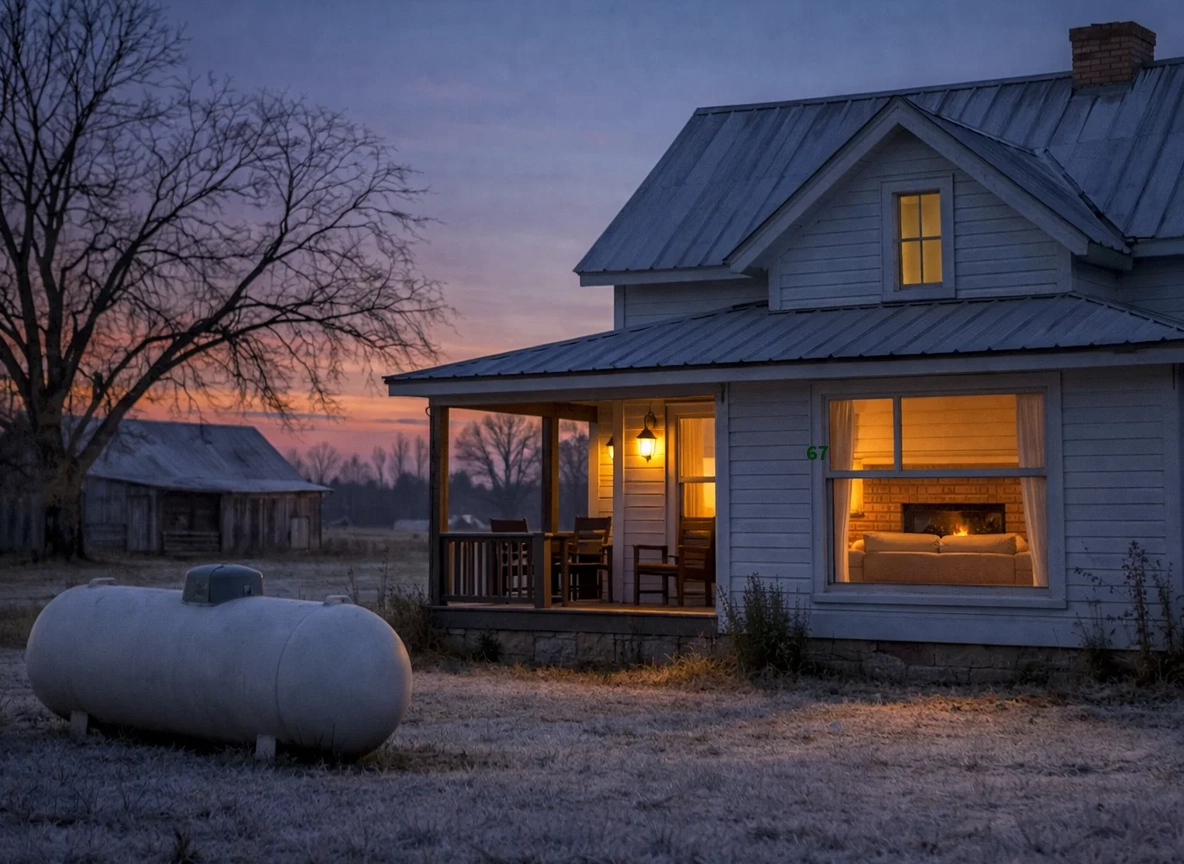
For homeowners outside town limits, winter brings a unique set of challenges. Power outages can last longer, service calls may involve extended drive times, and a single heat source can feel like a risky bet. Thoughtful backup planning for heating in Sandersville, GA helps rural households stay comfortable and safe when the unexpected happens—without resorting to dangerous stopgap measures.
Start With Safety First
When the lights go out, it’s tempting to grab whatever heat source is available. That’s where problems begin. Unvented heaters, grills, or improvised setups can create serious fire and carbon monoxide risks. Safe backup heat should always be professionally installed, properly vented when required, and used exactly as designed. Carbon monoxide detectors with fresh batteries are essential in rural homes, especially when alternate heat sources may be running during outages.
Gas Logs as a Supplemental Option
Properly installed gas logs can be a smart supplemental heat source for homes with natural gas or propane. They’re reliable, easy to operate, and can provide welcome warmth during short outages. The key is using the right type for your fireplace and following manufacturer guidelines. Vented systems prioritize air quality, while approved vent-free models must meet strict safety standards. A professional inspection ensures your setup delivers comfort without compromising safety.
Mini-Splits for Flexible Comfort
Ductless mini-split systems have become a popular option for rural properties. They’re efficient, zoned, and can supplement your main system during milder winter weather. When paired with a generator or battery backup, a mini-split can keep critical areas of the home comfortable even if the primary system is down. They’re also helpful during shoulder seasons, reducing wear and tear on your main heating equipment.
Dual-Fuel Systems for Long-Term Reliability
For homeowners planning ahead, dual-fuel systems offer the best of both worlds. These systems combine an electric heat pump with a gas furnace, automatically switching to the most efficient or reliable option based on conditions. If electricity becomes unreliable or temperatures dip too low for heat pump efficiency, the gas component takes over. This redundancy is ideal for rural homes where service delays are a real concern.
Plan Ahead—Don’t Wait for an Emergency
Backup heat planning works best when it’s done before winter weather hits. Evaluating your home’s layout, fuel availability, and outage history helps determine the smartest solution. Routine maintenance also plays a big role—well-maintained systems are less likely to fail when you need them most. Joining our maintenance plan is a great way to ensure you’ll get the service you need, plus additional benefits and discounts.
We’re Here to Help
Every rural home is different, and there’s no one-size-fits-all answer. If you have questions about backup heat options, system safety, or how to improve reliability this winter, reach out to our team. We’re happy to help you build a backup heat plan that keeps your home warm, safe, and prepared—no matter what winter throws your way.