 You are viewing the Sandersville, GA location.
Homeowners in Sandersville depend on reliable heat during the colder months, which makes the lifespan of a gas furnace an important factor in long-term home comfort. Most gas furnaces last between 15 and 20 years, although some stretch beyond that with consistent professional maintenance. As a furnace ages, efficiency begins to decline, repair needs increase, and the risk of unexpected breakdowns grows. Premier Heating & Air provides expert guidance and options for a replacement furnace in Sandersville, GA help homeowners stay ahead of aging equipment and avoid losing heat when they need it most.
Understanding how long a furnace typically lasts and recognizing the signs of aging helps you plan ahead and avoid emergencies.
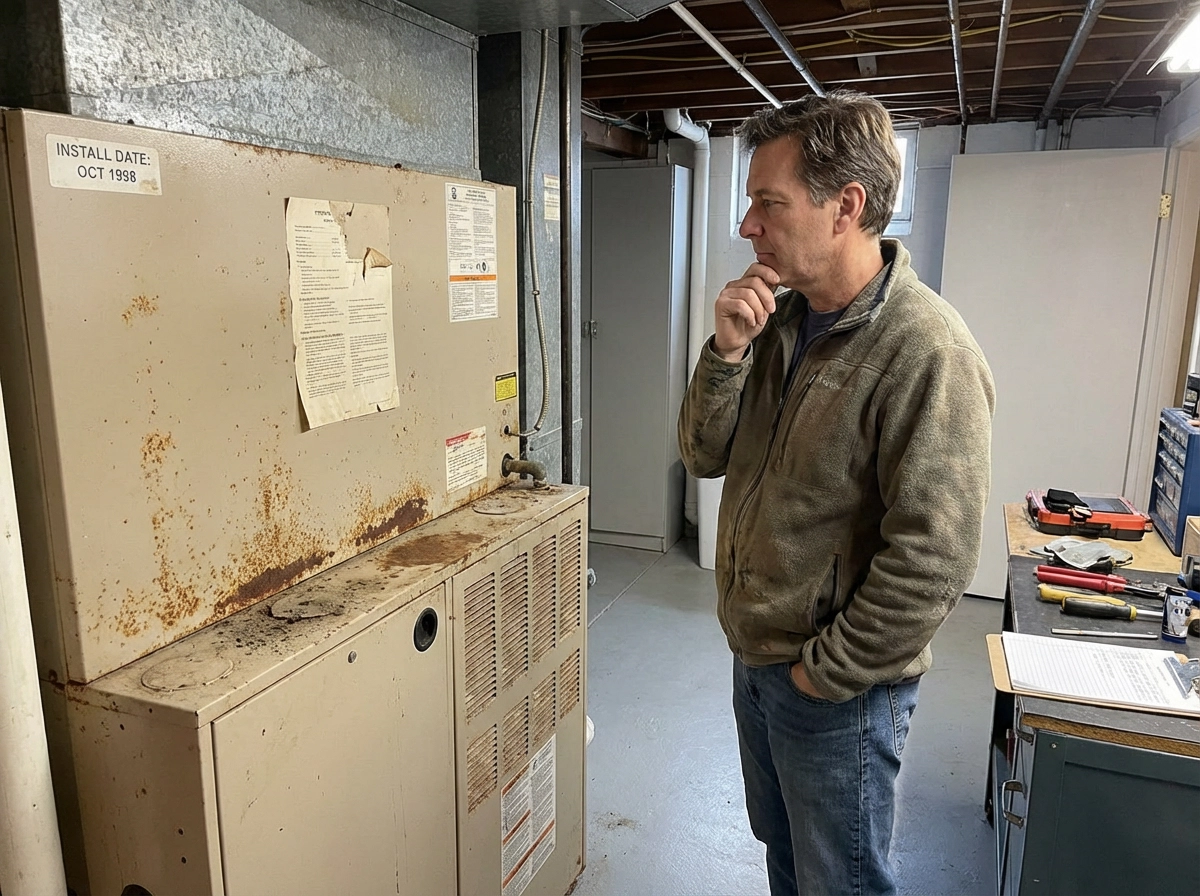
Key Factors That Affect Gas Furnace Lifespan
Several conditions affect how long your furnace will operate reliably. Homeowners benefit from knowing these factors so they can better evaluate their system’s health.
- Annual professional maintenance keeps components clean, calibrated, and protected from early wear, extending overall system life.
- Poor airflow from clogged filters or duct issues forces the furnace to work harder, shortening the lifespan of key components.
- Excessive on and off cycling places strain on the igniter, blower motor, and heat exchanger, speeding up wear.
- Improper sizing at installation causes uneven heating and added stress, reducing long-term performance.
Premier Heating & Air technicians evaluate these conditions during service visits and help you identify warning signs of cracked heat exchangers.
Warning Signs Your Gas Furnace Is Near the End of Its Life
As a furnace ages, it shows clear warning signs that indicate it may not continue operating much longer. Recognizing these symptoms early helps prevent inconvenient breakdowns and protects your home from safety risks.
- Rising heating bills often indicate declining efficiency as internal components struggle to keep up.
- Frequent or repeated repairs suggest that multiple parts are wearing out at once.
- Uneven heating or longer run times show that the furnace is no longer producing consistent warmth.
- Loud noises such as banging, rattling, or humming point to internal wear or failing components.
- A yellow burner flame instead of a steady blue one signals combustion issues that require checking gas furnace safety risks.
Once repair costs begin stacking up or the furnace shows multiple symptoms, replacing the system often becomes the more practical choice.
Risks of Running an Old Gas Furnace
An aging furnace not only reduces comfort but can also create safety concerns and financial strain. Continuing to repair a furnace that is well past its expected lifespan becomes costly, especially when efficiency drops and operating expenses rise.
Keeping an old furnace running may seem cost-effective in the moment, but long-term consequences rarely support that choice. A replacement furnace provides higher efficiency ratings, improved heating performance, and stronger reliability throughout colder seasons. Professional installation ensures your new system is correctly sized and set up for Sandersville’s climate, maximizing comfort and minimizing energy waste. Learn about important furnace safety feature upgrades to protect your home and family.
Premier Heating & Air provides reliable replacement furnace options designed to keep your home warm, efficient, and safe throughout every winter season.
Frequently Asked Questions
Question: How long can I expect a gas furnace to last?
Answer: Most gas furnaces last between 15 and 20 years. Actual lifespan depends on factors such as installation quality, usage habits, climate conditions, and how well the system is maintained over time.
Question: What factors affect the lifespan of a gas furnace?
Answer: Furnace lifespan is influenced by maintenance frequency, system sizing, installation quality, and how often the furnace runs. Regular service and proper airflow help reduce wear on components and support longer, more reliable operation.
Question: Does regular maintenance help a gas furnace last longer?
Answer: Yes. Regular maintenance helps keep components clean and operating correctly, reducing strain on the system. Addressing small issues early can prevent major damage and help extend the overall life of the furnace.
Question: What are signs that a gas furnace is nearing the end of its life?
Answer: Common signs include frequent repairs, uneven heating, unusual noises, rising energy bills, and difficulty maintaining comfortable temperatures. These issues often indicate declining efficiency and reliability.
Question: Should I replace my gas furnace before it stops working completely?
Answer: Replacing a gas furnace before total failure allows you to plan the upgrade on your schedule. This helps avoid emergency breakdowns, rushed decisions, and potential comfort issues during cold weather.