 You are viewing the Sandersville, GA location.
A gas furnace depends on a healthy heat exchanger to operate safely. When this component cracks, the furnace can no longer contain combustion gases, which may allow carbon monoxide and other hazardous byproducts to enter your home. Sandersville homeowners often overlook the heat exchanger because it is hidden inside the furnace cabinet, but it plays the most important role in maintaining safe gas furnace operation.
Premier helps local families recognize the warning signs of a cracked heat exchanger so furnace repairs in Sandersville, GA can be made quickly before the problem grows more serious. Any change in furnace performance, airflow, or combustion should be evaluated as soon as possible.
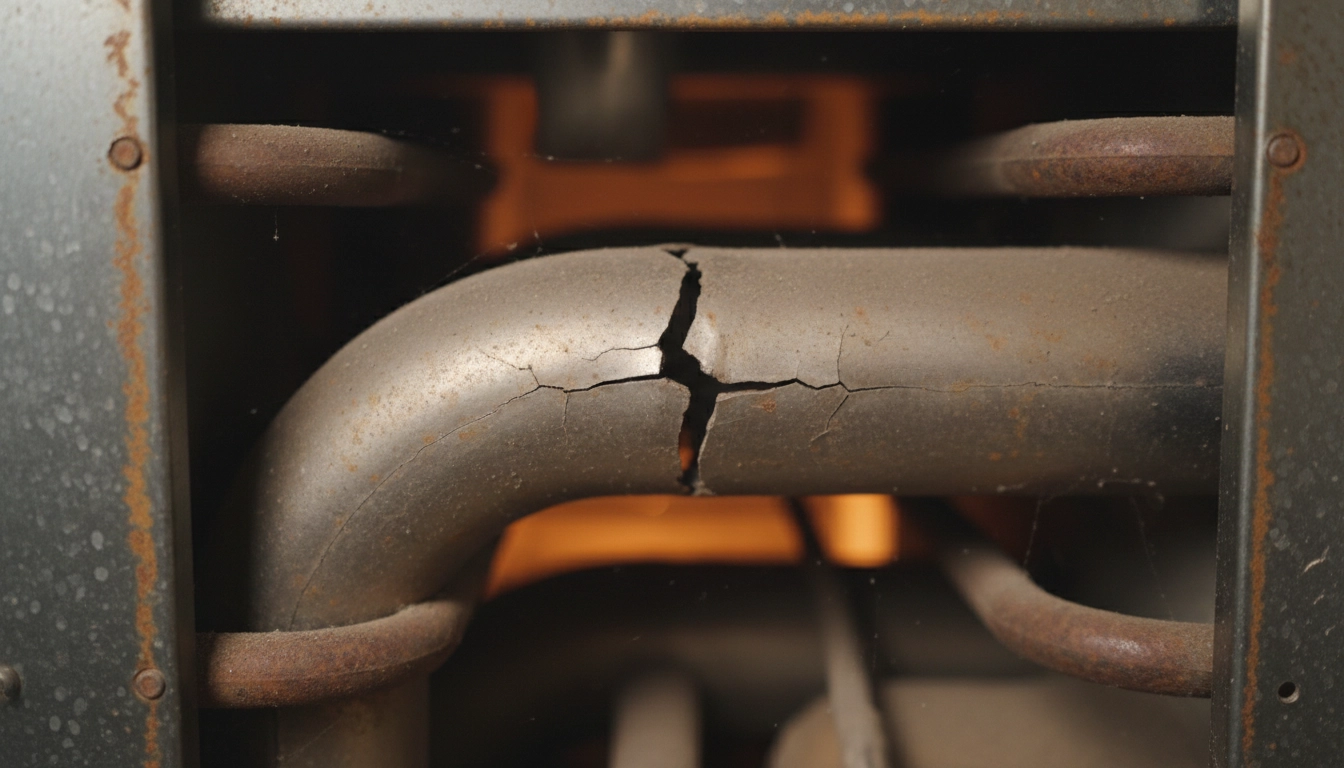
Signs You May Have a Cracked Heat Exchanger
A cracked heat exchanger produces noticeable warning signs when the furnace is running. Homeowners should pay close attention to any of the following changes.
- Soot buildup inside the furnace or around the burners
- Strong or unusual odors when the furnace runs
- Flame movement that appears erratic or rolls outward
- Changes in flame color such as flickering yellow or orange instead of blue
- Repeated tripped limit switches caused by overheating
- Unexplained increases in carbon monoxide readings from home detectors
Each symptom points to combustion problems that need immediate evaluation. Because cracks often expand as the metal heats and cools, symptoms may appear intermittently, making a professional inspection essential.
Why a Cracked Heat Exchanger Is a Major Concern
A compromised heat exchanger can allow carbon monoxide to circulate through the ductwork. Carbon monoxide is colorless and odorless, which makes a cracked heat exchanger particularly dangerous. Even small cracks can leak when the metal expands during a heating cycle. Professional technicians use specialized diagnostic tools to identify damage that is not visible from the outside. Be proactive by following these must-know furnace safety tips to help prevent serious risks.
A cracked heat exchanger also reduces the furnace’s ability to heat your home. When combustion gases do not stay contained, temperature control becomes inconsistent. The furnace may short cycle, run longer than normal, or fail to maintain steady temperatures. Repairing or replacing the exchanger restores reliable operation and protects the furnace from further damage.
What Causes a Heat Exchanger to Crack
Heat exchangers crack for several reasons, and many relate to airflow and maintenance. Restricted airflow forces the furnace to overheat, causing metal fatigue. Rust and corrosion can also weaken the metal over time, especially when moisture accumulates inside the cabinet or venting system. Age is another factor, as older furnaces experience repeated heating cycles that eventually stress the metal.
Regular maintenance helps prevent these conditions by ensuring the blower is moving the correct amount of air, filters are clean, and burners are operating with proper combustion. Preventing overheating is one of the best ways to protect the heat exchanger.
What to Do if You Suspect a Crack
If you notice any symptoms that suggest a cracked heat exchanger, turn the furnace off and schedule a professional inspection right away. Prompt service prevents additional wear, protects indoor air quality, and ensures safe operation during Sandersville’s winter season. Learn more about how a gas furnace becomes dangerous and why timely repair is essential.
Frequently Asked Questions
Question: What is a heat exchanger in a gas furnace?
Answer: A heat exchanger is a critical furnace component that transfers heat from the combustion process into the air circulated throughout your home. It keeps combustion gases separate from indoor air, making it essential for both heating performance and household safety.
Question: What are common signs of a cracked heat exchanger?
Answer: Common signs include unusual furnace noises, changes in flame appearance, frequent system shutdowns, visible corrosion, and unexplained symptoms like headaches or dizziness. These warning signs suggest the heat exchanger may be damaged and should be inspected immediately.
Question: Why is a cracked heat exchanger dangerous?
Answer: A cracked heat exchanger can allow combustion gases to mix with indoor air. This can create serious safety risks, including exposure to harmful gases. Because of these dangers, a cracked heat exchanger typically requires prompt professional attention.
Question: Can a furnace still run with a cracked heat exchanger?
Answer: In some cases, a furnace may continue running even with a cracked heat exchanger. However, operating the system in this condition is unsafe. Modern furnaces may shut down automatically to prevent further risk once the problem is detected.
Question: Does a cracked heat exchanger mean I need a new furnace?
Answer: Often, yes. Because the heat exchanger is a core component, repairs are usually costly and not practical on older systems. Many homeowners choose furnace replacement as the safest and most reliable long term solution.