What Is Central Air Conditioning?
Central air conditioning is a popular solution for both residential and commercial customers in Memphis, TN, who want to enjoy a consistently comfortable environment throughout their property. We are proudly serving Memphis and its surrounding communities with trusted HVAC expertise.
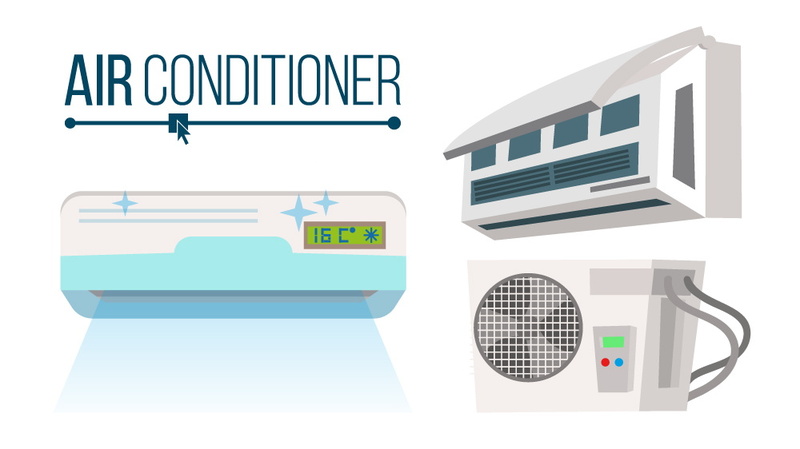
Unlike window units, a central AC system distributes cooled air evenly via a network of ducts, ensuring every room stays at the perfect temperature. We provide comprehensive HVAC service, including installation, maintenance, and repair, to meet all your climate control needs. Our team specializes in serving residential customers, offering expert home HVAC solutions alongside our commercial services. The main AC unit is typically installed outside and works together with your furnace or heat pump to provide year-round comfort, handling both cooling and heat as needed. For customers in Memphis, a well-maintained HVAC system not only keeps your home or business comfortable but also helps improve indoor air quality by filtering out dust and allergens. Regular maintenance is key to making sure your AC unit and overall system continue to perform efficiently, delivering reliable comfort and quality air for years to come.
Can You Add Central AC During HVAC Installation?
- Your home must have adequate space for ductwork or an existing duct system in good condition
- Electrical capacity must support the new air conditioning unit
- Proper system sizing ensures efficient cooling and balanced airflow
- Installation may require upgrades to insulation, vents, or return air pathways
- A professional evaluation determines feasibility, cost, and installation timeline
Benefits of Installing Central Air Conditioning
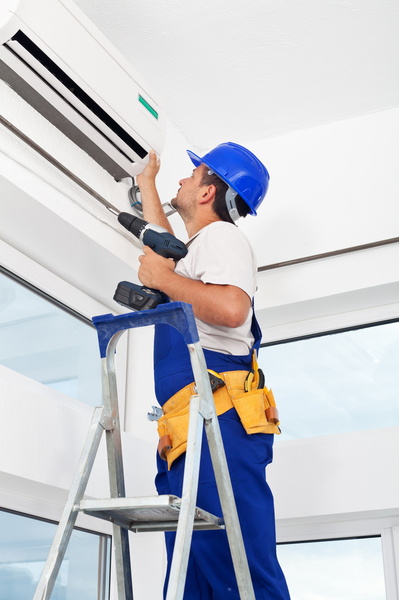
Choosing central AC for your home or business comes with a host of benefits. One of the biggest advantages is the improvement in indoor air quality, as central systems filter out pollutants and allergens, creating a healthier space for everyone. Central AC units are also designed for energy efficiency, which means you can enjoy a cool, comfortable environment while keeping your utility bills in check. Compared to traditional window units, central AC offers a more effective and long-lasting solution for both residential and commercial customers. With the help of our experienced technicians, who use the proper tools and technical expertise, you can count on professional installation, regular maintenance, and prompt repair services to keep your AC equipment running smoothly. Regular preventative care not only ensures reliable operation but also helps reduce service emergencies, so your system stays efficient and dependable year-round. Our team is dedicated to providing high-quality solutions that maintain your comfort and ensure your system operates at peak performance.
Can You Add Central AC to an Existing Home?
If you’ve had to rely on window air conditioners to cool your home, we’re bet you’re quite sick of them by now. Window ACs are adequate solutions for small studio apartments, but when it comes to cooling a house they won’t cut it. Not only do they lack the cooling power to do much, they block windows, make a lot of noise, and look unpleasant both inside and outside. For homeowners upgrading to central cooling, don’t risk DIY AC installs, professional help ensures safety and efficiency.
But can you have a central AC in installation in Riverdale, GA? If you live in an older house that doesn’t have ductwork, you might think it’s impossible. It’s not! We’ll explain how we can help you ditch those old window air conditioners and enjoy genuine central cooling throughout the rooms.
How to Choose the Right Central AC System for Your Home
Selecting the right air conditioner for your home is a crucial step in achieving optimal comfort and energy efficiency. As a leader in commercial HVAC services in Memphis, TN, our team understands that every home is unique, and so are your cooling needs. Our experienced technicians take the time to assess your home’s size, layout, and existing HVAC system to recommend the best air conditioner for your space. We also consider factors like indoor air quality and your family’s specific comfort preferences, ensuring that your new system not only cools effectively but also contributes to a healthier indoor environment. By choosing an energy-efficient air conditioner, you can enjoy a comfortable environment while keeping your utility bill manageable month after month. Trust our team to guide you through the selection process, providing quality HVAC services that help your system perform efficiently and avoid problems with aging ACs.
Continue Reading
Tags: Central Air Conditioning, Ductless Mini Split System Installation, Riverdale
Posted in Air Conditioning, Conyers | Comments Off on Heating and Air Conditioning Installation: Add Central AC to Your Home – Premier AC Experts
 You are viewing the Premier Home location.