 You are viewing the Dublin, GA location.
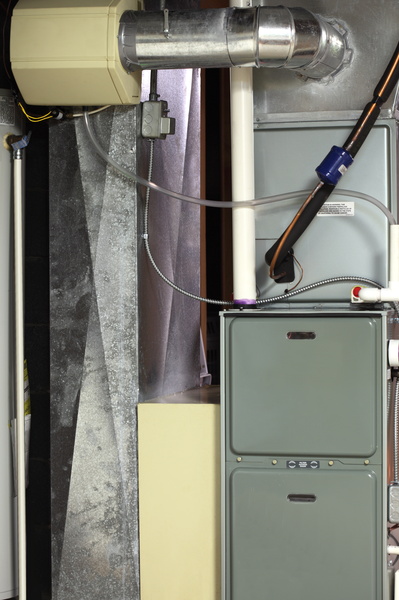
As we move into the fall, it’s a good time to think about the furnace in your home and ask an important question: will it be able to make it through another winter? If not, it may be time to consider whether a high efficiency furnace upgrade could provide better comfort and long-term savings.
How Do You Know When It’s Time for a Furnace Replacement Service?
- Your furnace is 15 to 20 years old and struggles to heat your home efficiently
- Repair costs are increasing and becoming more frequent each season
- Heating bills rise even though usage has not changed
- Uneven temperatures or weak airflow occur throughout the home
- Strange noises, persistent breakdowns, or safety concerns are present
Although furnaces are built to be durable, no furnace can last forever. After enough time, you’ll need to start looking into other furnaces in Dublin, GA to replace your old one. How can you tell that it’s time to get a new furnace? We’ll delve into that below. Our pros are familiar with all types of furnaces and how they age and wear down, so they can give you the professional opinion you need to make the best choice. We’re also your top choice for a furnace replacement if that’s what you need before the winter weather arrives.
Signs It’s Time to Replace Your Furnace
If you’re unsure whether your furnace is ready for replacement, here are a few key signs that indicate it might be time to start planning for a new one:
- Age of the Furnace: The average lifespan of a furnace is around 15 to 20 years. If your furnace is approaching or has exceeded this age range, it may not be as efficient or reliable as it once was. An older furnace is more prone to breakdowns and may not be able to heat your home as effectively.
- Rising Energy Bills: If you’ve noticed a steady increase in your energy bills over the past few years without a significant change in your heating habits, your furnace could be the culprit. As furnaces age, they lose efficiency and have to work harder to maintain the same level of comfort, leading to higher energy consumption.
- Frequent Repairs: Have you been calling for furnace repairs more frequently? If you’re constantly dealing with breakdowns or malfunctions, those repair costs can add up quickly. At a certain point, it may be more cost-effective to replace the furnace rather than continue to sink money into fixing an old one.
- Uneven Heating: Are certain rooms in your home colder than others? If your furnace is no longer able to distribute heat evenly, it may be struggling to keep up with demand. This can be a sign that the furnace’s components are wearing out, making it harder for the system to maintain consistent temperatures.
- Strange Noises: Unusual sounds, such as rattling, banging, or squealing, coming from your furnace are often a sign of trouble. These sounds are often warning noises from your furnace and can indicate worn-out or failing parts, which might suggest the system is on its last legs.
- Yellow Burner Flame: The burner flame in your furnace should be blue. If it’s yellow, this could be a sign that the furnace is not burning fuel efficiently or that there’s a dangerous carbon monoxide leak—one of several serious furnace trouble warning signs that should never be ignored.. In this case, it’s crucial to have the furnace inspected immediately, as carbon monoxide can pose serious health risks.
Schedule a Furnace Inspection Today
Not sure if your furnace is ready for replacement? The best way to find out is to schedule a professional inspection with one of our pros. We’ll thoroughly evaluate your furnace’s condition and give you an honest assessment of whether it’s time to replace it or if it has a few more years left. If you do need a replacement, we can help you choose the best model for your home and budget.
Frequently Asked Questions
Question: Do I need to replace my old furnace before winter starts?
Answer: Replacing an old furnace before winter may be a good idea if it struggles to heat your home, requires frequent repairs, or is nearing the end of its expected lifespan. Planning ahead helps ensure reliable heat and avoids emergency breakdowns during cold weather.
Question: How old is too old for a furnace?
Answer: Most furnaces last around 15 to 20 years. As a furnace ages, efficiency and reliability typically decline. Older systems often cost more to operate and may not provide consistent heating, making replacement worth considering before winter arrives.
Question: What are signs my furnace may need replacement?
Answer: Signs include uneven heating, rising energy bills, frequent repairs, unusual noises, and difficulty maintaining comfortable temperatures. These issues often indicate that the furnace is no longer operating efficiently or reliably enough for winter demands.
Question: Is it better to replace a furnace before it fails?
Answer: Yes. Replacing a furnace before complete failure allows you to plan the upgrade on your schedule. This avoids emergency replacements, limited availability, and potential discomfort during the coldest part of the year.
Question: Can a new furnace improve comfort and efficiency?
Answer: A new furnace can provide more consistent heat, quieter operation, and improved energy efficiency. Modern systems are designed to heat homes more evenly while using less energy, helping lower heating costs over time.