Premier Heating and Air Blog for ‘Air Conditioning’ Category

Can I Install My Own Air Conditioning System?

Monday, May 13th, 2024
Hand holding an adjustable wrench, symbolizing professional HVAC installation and repair service.

If you’re asking about installing a window air conditioner, then the answer is “yes.” You’ll probably need another person to help with balancing it, but it’s basically a DIY job.

But we don’t think this is what you’re asking. After all, window ACs aren’t great solutions for comfort in a house, and there are many reasons to prefer central air conditioners in Nashville, TN homes. Is it possible for you to install a central air conditioning system on your own (or with help from a few pals)? If you’re considering alternatives, it’s worth exploring your options for the next air conditioner before jumping into installation decisions.

The simple answer: no. We’re pros when it comes to central ACs and HVAC systems in general, and we can explain why installing your own central air conditioning system is a bad idea for multiple reasons.

How Do You Install a Heating and Air Conditioning Unit?

  1. Assess your home’s heating and cooling needs: Calculate load based on square footage, insulation, window count, and layout to determine the right size system.
  2. Choose a matched HVAC system: Ensure indoor and outdoor components are compatible, energy-efficient, and suitable for your climate and budget.
  3. Secure permits and ensure code compliance: Acquire necessary permits and follow local building codes for safe, legal installation.
  4. Prepare the installation site: Clear and level the outdoor unit’s pad, and ensure proper space and framing for ductwork and indoor components.
  5. Install the HVAC system: Mount the outdoor unit, connect refrigerant lines and electrical wiring, place the indoor unit (furnace or air handler), and link ductwork.
  6. Test system performance: Start the system, check refrigerant pressures, airflow, and thermostat operation; document performance and educate the homeowner.

Continue Reading

What It Means When Your AC Won’t Keep Up With the Heat

Monday, May 13th, 2024
woman-who-is-too-hot-in-front-of-fan

Here is one of the most common problems that people run into with their air conditioning systems during the summer heat: the AC is running, cool air is coming from the vents, but the house still feels too hot and stuffy. Maybe some of the rooms are cool enough, but others are too hot. What’s happening, and is this a reason to call our experts in Perry, GA for AC repair?

There are several ways an AC can end up struggling to handle the heat. We’ll go through several of the most common and offer you the advice you need to ensure you get your AC back to work.

Continue Reading

When Is It Time to Replace My AC Unit?

Monday, April 22nd, 2024
old-ac-unit

Central air conditioning systems are large, powerful appliances that play a critical role in managing the summer heat. They aren’t inexpensive items you can decide to swap out on a whim: you want your AC to last for as long as possible before you schedule a new AC installation in Vidalia, GA.

Continue Reading

Understanding the New AC Efficiency Ratings (EER2/SEER2)

Monday, April 22nd, 2024
air-conditioning-collage

We recently discussed the benefits of choosing a high-efficiency air conditioning system for your next installation, looking at how these units consume lower amounts of power to produce quality cooling levels. This brings up another question, however, which is how this efficiency is measured.

A few years ago, we’d have a basic response to explain the AC efficiency measurements universally used in the HVAC industry. But times have changed and we now have a new system in place. It’s not as complicated as you may fear, especially if you weren’t familiar with the previous system. As part of the air conditioning service in Conyers, GA we provide, we’d like to go through the current efficiency measurements for air conditioning systems.

Continue Reading

Ice on Your AC? Yes, That’s a Problem!

Monday, April 22nd, 2024
ice-caps

When you turn on your air conditioning system to enjoy cool air for another hot and humid Georgia summer, that air feels crisp and icy as it first hits you. So if you notice ice starting to form on the evaporator coil of the air conditioner, you may think it’s natural. The AC is work hard and doing a good job. 

Except … it’s not!

The truth is that you should never see ice forming on any part of your air conditioner. An AC doesn’t use ice to cool the air, nor should its cooling process create ice. If you do see ice, something’s wrong with the air conditioner, and you’ll want it addressed as soon as possible.

Continue Reading

Don’t Forget Regular AC Air Filter Changes This Summer!

Monday, April 22nd, 2024
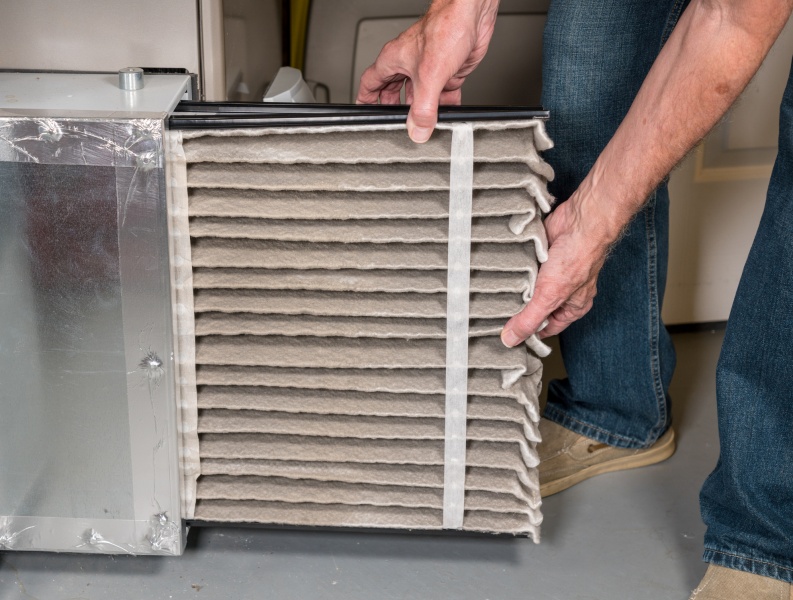
air-filter-change

One of the most important jobs to have done for your air conditioning system before the summer heat arrives is to schedule AC maintenance with our professionals. Regular maintenance is key to ensuring that your air conditioning works at peak efficiency and cooling performance throughout the summer. It also helps prevent repairs and extends the service life of the unit. 

There is a vital maintenance task you’ll need to do on your own, however, and it’s a job many homeowners forget—leading to some costly consequences for comfort and money! It’s changing the air filter on the HVAC cabinet. You may need to do this several times during the summer, and we want you to get into the habit of doing it. Regular filter changes mean fewer AC troubles and lower bills.

Continue Reading

Tips for Saving on Cooling Costs This Year

Monday, April 15th, 2024
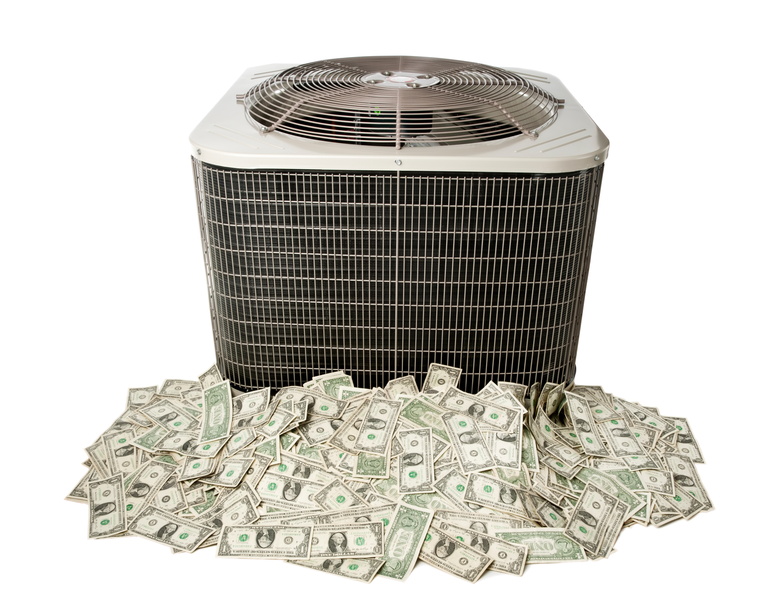
money-around-an-air-conditioner-condenser

Whenever you start to regularly use your air conditioner this year, you’ll see an increase in your electricity costs. This is normal: central air conditioners are one the biggest users of electricity in homes. However, you might be paying more for cooling than you need to, and we have some advice on ways you can lower those electric costs. Below are various tips, from essential air conditioning maintenance in Nashville, TN to ideas for HVAC and comfort upgrades, that can put some money back in your pocket.

Continue Reading

Got a Dead AC Compressor Before the Start of Summer? Here Are Your Options

Monday, April 15th, 2024
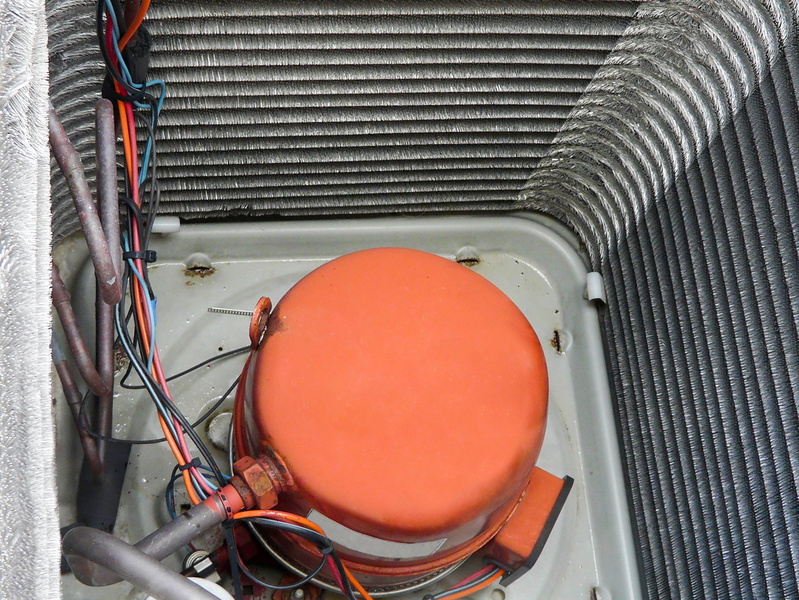
compressor-in-ac-unit

One of the best reasons to always schedule air conditioning maintenance in spring is because it will catch problems before the hot weather begins, giving you time to correct them. One of the biggest problems a technician may discover during an AC inspection is that the compressor has failed. If you didn’t know about this ahead of time, you would have turned your cooling system on during the first hot day and gotten … room-temperature air. No cooling at all! 

The compressor is one of the most important parts of an AC: it’s where most of the energy used to cool a house goes. The compressor is also an expensive component. It’s costly enough that when it fails, the conventional wisdom is that the whole air conditioning system needs to be replaced. Is this always the case? Let’s look at the options you’ll have when you’ve got a dead compressor

Continue Reading

5 Tips to Keep Your Home’s AC Healthy

Monday, April 8th, 2024
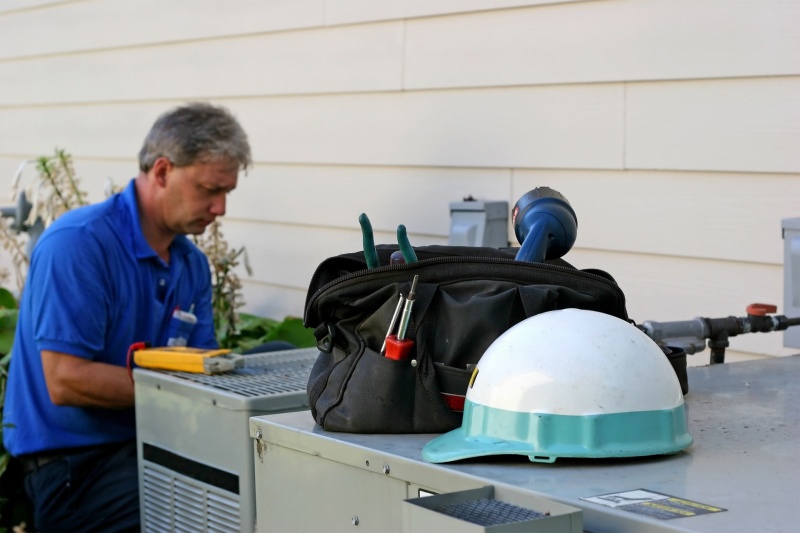
Technician servicing outdoor AC unit with tools, highlighting professional HVAC maintenance service.

Ensuring your home’s air conditioning system is in top shape is a priority each summer. At Premier, we understand the importance of a well-functioning AC unit not only for your comfort but also for your health and utility bills. Taking good care of your central air conditioning in Swainsboro, GA can prevent most issues before they arise, saving you from unexpected breakdowns and costly repairs. 

5 Essential Tips to Keep Your AC Healthy and Efficient

  • Schedule professional HVAC maintenance annually, ideally before summer.
  • Replace or clean your air filter every 1-3 months to ensure proper airflow.
  • Clear debris and maintain at least a 2‑foot clearance around the outdoor unit.
  • Set your thermostat at a higher, comfortable temperature (around 78 °F) to reduce strain.
  • Avoid DIY repairs, call a qualified HVAC technician for reliable service. These five AC maintenance tips prevent breakdowns and keep your cooling system running strong all summer.

Here are five essential tips to keep your home’s AC healthy and ensure a cool, comfortable summer.

Continue Reading

High-Efficiency ACs Explained

Monday, April 8th, 2024
Piggy bank with a dollar bill, symbolizing cost savings from professional HVAC installation.

When you’re looking for better cooling in your home, you’ll want to find an AC system that not only works the way you need it to, but also helps you save money. At Premier, we believe in empowering our customers with knowledge to make informed decisions about their HVAC needs. Today, we’re taking a close look at high-efficiency AC units, explaining how they manage to keep your spaces cool while keeping energy consumption—and your bills—to a minimum. If you’re unsure what capacity system fits your home best, check out this guide on what size AC you need for your house to get started.

What Makes a High-Efficiency AC Worth It During HVAC Installation?

  • Higher SEER ratings mean the system uses less energy to cool your home
  • Variable-speed compressors improve comfort and humidity control
  • Advanced airflow technology delivers more consistent temperatures
  • Energy-efficient models can lower monthly utility bills
  • Newer systems often qualify for rebates or incentives
  • Proper installation maximizes performance and long-term savings

How Do You Install a Heating and Air Conditioning System?

  1. Calculate your home’s load needs: Assess square footage, insulation, and climate to determine system size.
  2. Choose the right HVAC unit: Select a matched indoor and outdoor system for energy efficiency.
  3. Obtain permits and meet code: Follow local regulations for safety and compliance.
  4. Prepare the site: Level the outdoor pad and ready indoor space for ductwork or an air handler.
  5. Install and connect components: Place units, connect refrigerant lines, ductwork, and electrical wiring.
  6. Test and start the system: Check refrigerant charge, airflow, and thermostat operation.

Continue Reading