 You are viewing the Dublin, GA location.
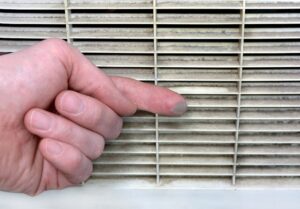
Do the words “air pollution” summon visions of smoggy cityscapes and polluted outdoor spaces? Unfortunately, air pollution isn’t something that only occurs in cities or outside.
The air quality in your home can be worse than the air outside. Unlike the air outside your home though, you have options that allow you to control the quality of the air in your house.
How Do You Know If You Need Indoor Air Quality Testing?
- You experience frequent allergies, coughing, headaches, or sinus irritation indoors
- Your home has persistent dust buildup, musty odors, or visible mold growth
- Humidity levels feel consistently too high or too low
- You notice uneven airflow or poor ventilation in certain rooms
- Recent renovations or new furnishings have introduced strong chemical smells
- Household members with asthma or respiratory issues have worsening symptoms
How Can HVAC Services Improve Indoor Air Quality?
- Identify signs of poor air quality, like coughing, headaches, skin irritation, fatigue, or frequent illnesses, that HVAC professionals can assess.
- Evaluate particulate and pollutant levels using air quality monitors or diagnostic tools to pinpoint indoor air issues.
- Recommend and install solutions such as air filters, purifiers, dehumidifiers, or ventilation systems to boost air cleanliness.
- Schedule regular maintenance of HVAC components including filters and drains to maintain optimal airflow and healthy air quality.
Your home should be a safe haven, not a place that’s potentially contributing to or causing health problems or poor quality of life. If you suspect that your home’s air quality isn’t as clean as it should be, here are some signs of poor indoor air quality (IAQ). If you’re experiencing any of these, we can improve the indoor air quality of your Warner Robins, GA home.
Coughing: A Sign of Poor Indoor Air Quality
One of the determining factors in poor air quality is the concentration of particulates in the air. Particulate matter (PM) consists of irritants such as mold, dust, smoke, allergens, and silicates that enter your body when you breathe.
When your air has too much PM, it’ll cause you to cough as your respiratory system tries to expel the irritants. Don’t attribute that lingering cough to allergies. It could be a sign your air quality is poor, and issues like leaky ductwork circulating contaminants may be part of the problem.
Fatigue and Dizziness Caused by Poor Indoor Air Quality
A house with poor filtration isn’t properly filtering the air you breathe, which can also contribute to concentrated particulate matter. Poor filtration combined with high levels of particulates can cause cognitive issues such as fatigue, dizziness, sleepiness, and dizziness.
Getting Sick Often? Poor Indoor Air Quality Could Be the Cause
If you’re one of those people who’s always sick, it might not be you. It could very well be the air in your home that’s to blame. Not only that, but once you’re sick, poor air quality causes your cold symptoms to become worse and last longer, especially if your home could benefit from professional air duct sealing.
Headaches Linked to Poor Indoor Air Quality
Constant exposure to strong odors and chemicals such as pesticides, household cleaners, formaldehyde, and benzene may result in frequent headaches and migraines.
Irritation Caused by Polluted Indoor Air
Particulate matter causes your mucous membranes to become irritated and inflamed. A frequent sore throat, watering eyes, and a runny nose are signs of irritated mucous membranes. Irritation of the mucous membranes can also cause frequent nosebleeds and headaches.
Dry Skin Symptoms Caused by Poor Indoor Air Quality
Poor air quality doesn’t just dry out your mucous membranes, it’ll also dry out your skin. If your skin suffers from flaking, redness, rashes, eczema, and excessive dryness even though you drink plenty of water, it could be the result of your indoor air quality.
Allergies Triggered by Indoor Air Pollution
It’s bad enough having allergies, but poor air quality can exacerbate allergy symptoms. This is due to the irritants in the air such as pet dander, mold spores, dust mites, household chemicals, pesticides, and more. The lack of proper ventilation and imbalanced airflow from your HVAC system also contribute to allergies.
How High Indoor Humidity Impacts Air Quality
Worst of all, poor air quality can be exacerbated by the high humidity we experience in Georgia. When humidity is high, the air becomes a breeding ground for mold, allergens, and bacteria. A filtration system combined with a dehumidifier will greatly improve the quality of your indoor air.
Poor air quality is especially harmful to young children, the elderly, pets, and individuals with asthma or compromised immune systems. If you suspect your indoor air quality is poor, contact us to learn about solutions we can provide to improve your air and prevent long-term health problems.
Frequently Asked Questions
Question: What are common signs of poor indoor air quality?
Answer: Signs include coughing, fatigue, dizziness, frequent headaches, dry or irritated skin, runny nose, sore throat, and frequent illnesses. You might also notice stale air, high humidity, or a persistent musty smell.
Question: Can poor indoor air quality cause health problems?
Answer: Yes, polluted indoor air can lead to respiratory issues, skin irritation, fatigue, worsened allergies, frequent colds, and even migraines. Long term exposure may also worsen conditions like asthma or affect those with weakened immune systems.
Question: What causes indoor air to become polluted?
Answer: Indoor air can become polluted due to particulate matter like dust, mold, and pet dander, chemicals from cleaners or building materials, poor ventilation, leaky ducts, and high humidity which promotes mold growth.
Question: How does high humidity affect indoor air quality?
Answer: High humidity encourages the growth of mold, mildew, and bacteria, all of which lower indoor air quality. It can also make homes feel stuffy and contribute to health issues like allergies or respiratory irritation.
Question: How can HVAC services help improve air quality?
Answer: HVAC professionals can assess air quality, improve ventilation, seal leaky ducts, replace filters, and install air purifiers or dehumidifiers. Regular system maintenance also helps keep indoor air clean and safe.
Experience the Premier Difference. Schedule an appointment with Premier Heating & Air.