 You are viewing the Memphis, TN location.
If you’re like most Memphis homeowners, you probably don’t give your air conditioner much thought—until it starts struggling to keep up with the heat. One of the most common questions we hear at Premier is: How old is too old for my AC? Knowing when to repair or replace your system can save you from unexpected breakdowns and rising utility bills.
When to Replace Your AC: Key Signs Your System Is Too Old
- Check its age: Most central systems last 10-15 years; if yours is older, start evaluating performance.
- Notice performance drops: Frequent breakdowns, rising energy bills, or uneven heating and cooling are signs your system may be failing.
- Watch for outdated components: If your system still uses phased-out refrigerants like R-22, replacement is likely more practical than repairs.
- Consider upgrade benefits: Newer units offer greater energy efficiency, improved comfort, lower maintenance costs, and enhanced home value.
Here’s what you need to know about AC system age and when it’s time to start planning for a new AC installation.
How Long Does an AC System Last? Average Lifespan Explained
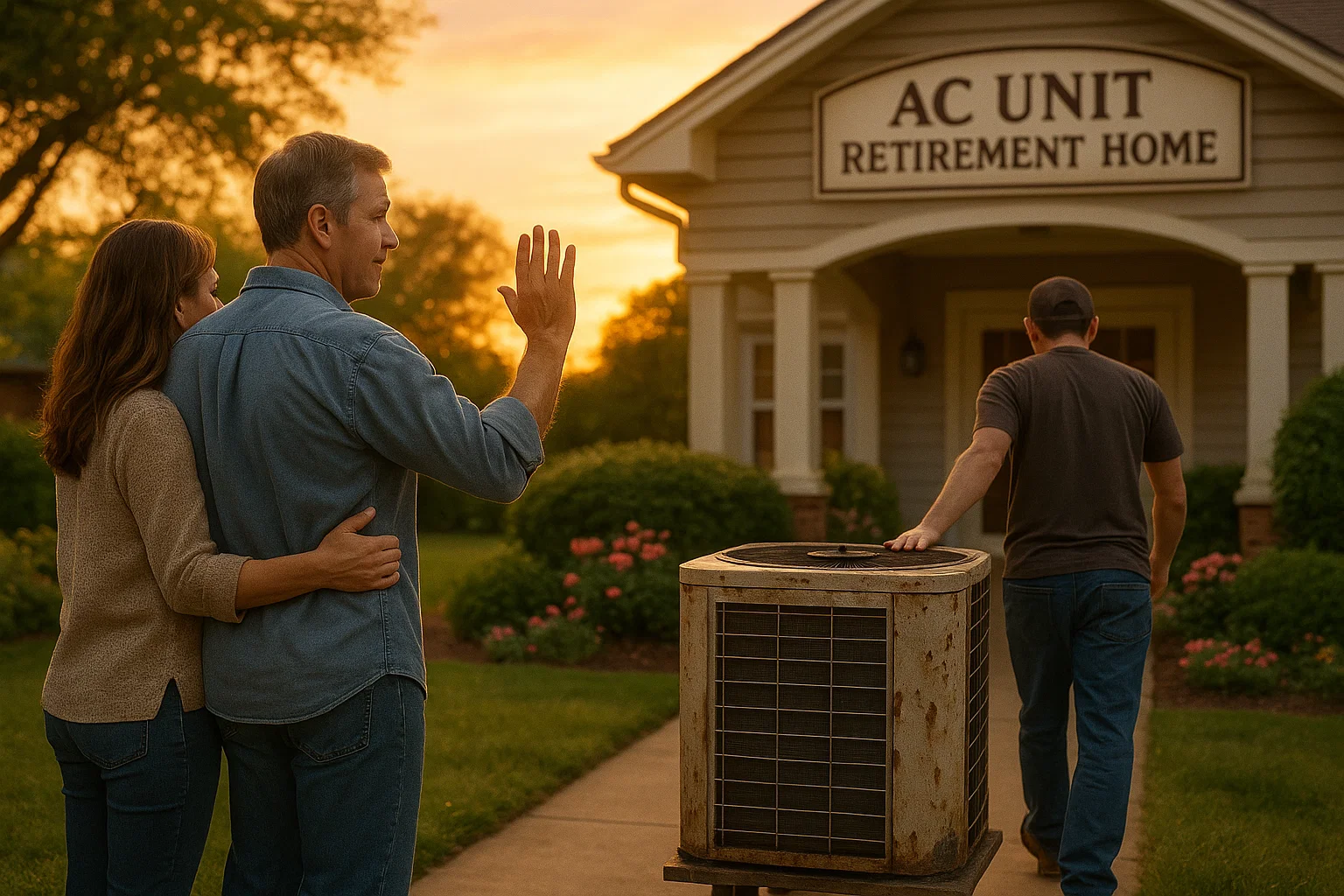
Most central air conditioners last between 10 to 15 years, depending on the brand, usage habits, and whether routine maintenance was performed. In Memphis, where the AC works hard during our long, hot summers, that upper limit can be harder to reach without a professional tune-up every year, especially if you’re putting extra strain on your AC without realizing it.
If your air conditioner is 10 years old or more, it’s time to evaluate its performance carefully. Even if it’s still running, that doesn’t mean it’s running efficiently—or reliably.
Warning Signs Your Air Conditioner Is Nearing the End
Age alone isn’t the only factor. There are several warning signs that indicate your system may be on its last legs:
- Frequent Repairs: If you’ve had multiple service calls in the last couple of seasons, it might be more cost-effective to invest in a new system.
- Rising Energy Bills: Older systems lose efficiency over time. If your cooling costs are climbing despite consistent usage, your AC may be the culprit.
- Uneven Temperatures: Are some rooms too hot while others are freezing? This is a sign your system isn’t distributing air effectively anymore.
- Strange Noises or Odors: Grinding, banging, or musty smells can indicate internal damage or mold buildup.
Uses R-22 Refrigerant: If your system still uses R-22 (Freon), it’s outdated. R-22 has been phased out due to environmental concerns, and recharging it is expensive and difficult.
Benefits of Replacing an Old AC With a Modern, Efficient System
Replacing your old AC system is an investment—but one that can pay off in many ways:
- Improved Energy Efficiency: Today’s air conditioners are far more efficient than those made even a decade ago. That means lower monthly bills and reduced environmental impact.
- Enhanced Comfort: Newer systems cool more consistently and offer features like variable-speed motors and smart thermostats for better indoor comfort.
- Peace of Mind: A reliable new system means fewer repair bills and less worry during peak summer heat.
- Increased Home Value: An updated HVAC system adds value to your property and appeals to future buyers, especially when installation time is quick and efficient.
Why Choose Premier for Expert AC Replacement in Memphis
At Premier, we understand that replacing your air conditioner is a big decision. That’s why we take the time to evaluate your current system, your cooling needs, and your budget to recommend the best options available. Our technicians are certified, experienced, and committed to your satisfaction.
Whether you need a high-efficiency system, zoning solutions, or financing options, we’ll guide you every step of the way—from selection to installation.
Schedule Your AC Upgrade With Premier Heating & Air
If your air conditioner is showing its age, don’t wait for it to fail during the hottest day of the year. Contact Premier today for a professional AC evaluation and discover whether it’s time for a smart, energy-efficient replacement. We’re proud to keep Memphis cool with expert care and honest service.
Frequently Asked Questions
Question: How old is an air conditioner when I should start thinking about replacing it?
Answer: Most central air conditioners last about 10 to 15 years, depending on brand, usage, maintenance, and climate. If your unit is around or beyond this age, start evaluating its performance to decide if an upgrade makes sense.
Question: What signs indicate my AC is too old and should be replaced?
Answer: Key signs include frequent breakdowns or repairs, rising energy bills, uneven cooling, strange noises or odors, and outdated refrigerants like R-22. These issues suggest your system may no longer be efficient or reliable.
Question: Why might replacing an older AC be better than repairing it?
Answer: Older systems often lose efficiency and cost more to run and repair over time. Newer models offer better energy savings, enhanced comfort, and increased home value, making replacement a worthwhile investment.
Question: Does the type of refrigerant in my AC affect when it’s too old?
Answer: Yes. If your AC still uses R-22 refrigerant (Freon)—which is phased out due to environmental rules—recharging it is expensive and difficult. This makes replacement more practical than continuing repairs.
Question: Are there performance issues besides age that mean I should upgrade my AC?
Answer: Yes. Poor airflow, increased humidity, inconsistent temperatures, and inefficiencies that raise utility bills are signs your system is struggling and may benefit from a newer, more efficient unit.