One of the small pleasures of the summer season is the satisfying thunk noise of the compressor in an air conditioning system turning on. As this part of the AC goes to work, it means cool, refreshing air will soon flow from vents around the house.
If you’ve lived with a central air conditioning system before, then you’ll know its compressor doesn’t run constantly when you have the air conditioner turned to cool off the home. Instead, it runs periodically and then powers down for a stretch. These periods are known as cooling cycles, and they help to keep the temperature in a house from becoming too cold and to prevent the compressor (the most powerful part of an AC and the one that uses the most electricity) from overheating. But how long should the compressor run at a time?
You likely know what the normal noises are that your air conditioner makes while it is running. Sounds like the whoosh of air through your ducts and even some movement from the ducts themselves when they expand or contract are all probably normal. But when your AC begins to create new sounds, then it may be time to pay closer attention.
A noisy AC may be a system that needs repairs. And if that is the case, the sooner a technician arrives to address the problem the better off things will be. But what sounds are we talking about? We are happy to tell you below so you know exactly when to call us for repairs.
Your air conditioner needs to be in optimal condition at this point in the season. If you are already seeing problems in your AC unit at this point in the season, you may be in trouble. Thankfully, our team is here to help.
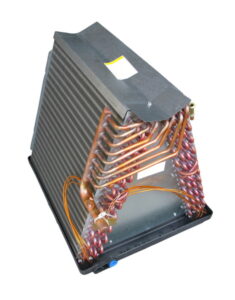
Today we want to discuss why an air conditioner that is developing a layer of ice on its evaporator coil is in need of repairs. While some people may think that ice build-up in their AC is a sign of a system that is working really well, this is the furthest thing from the truth!
Any important home appliance will have several myths surrounding it, such as the old idea that putting ice cubes down a garbage disposal will sharpen the blades. Well, garbage disposals don’t have blades, and ice cubes can damage the disposal. Toss that idea in the trash and you’ll save yourself disposal grief.
Air conditions have their own body of lore, much of it false. Although some of these misunderstandings are harmless, others can lead to poor operation and wasted money. Below, we’ll debunk several major AC myths we encounter far too often.
As things start to warm up around here, it means that having a properly working air conditioner in your home is highly important. You don’t want your AC system running up your energy bills or working poorly on the hottest day of the year.
If you’ve run your air conditioner a few times already but started to notice that the system isn’t operating quite right, it is important to have it checked out. A need for air conditioner repair in Dublin that is already present will only get worse as the season progresses.
Reach out to us for repairs today if you notice any of the following indicators of trouble:
Here’s an odor you don’t want floating around inside your house: a moldy stench that smells like a pile of dirty socks. It seems to be coming from the air conditioning vents. What’s causing it and what can you do about it?
It won’t shock you to learn that what you’re experiencing is a common problem with air conditioners known as “dirty sock syndrome.” Yes, the people who named it knew exactly what they were talking about. No, nobody has tossed a bunch of dirty socks into your HVAC system (I mean, we don’t think so). But the odor is coming from the same source as smelly socks—bacteria from microbes. You’ve got a source of it in your AC, and we can probably guess what it is. Below we’ll talk more about how dirty sock syndrome happens in an air conditioner and what you can do about it.
As summer gets closer and closer, it becomes increasingly apparent that you need a good AC in your house to keep cool. Swelteringly hot and humid days in this part of Georgia often prove to be too much for window ACs to handle. And you shouldn’t have to spend your free time seeking out cool air outside of your home.
Top Heating and Cooling System Options for Your Home
Central air conditioner: A proven, powerful cooling solution that works if your home has existing ductwork; modern versions like inverter or VRF systems offer better efficiency.
Heat pump mini-split system: Provides both heating and cooling through a single setup using refrigerant and a reversing valve for year-round comfort.
Ductless heat pump: Consists of multiple wall-mounted units connected to an outdoor condenser, ideal for homes without ducts and improves air quality by avoiding dirty ductwork.
If you are tired of fighting to stay comfortable during the summer, you should schedule an air conditioning installation in Dublin to get an effective, efficient system in your home. Modern systems are able to provide better control over your home comfort without using an excessive amount of energy. If you’re unsure where to start, our guide on how to choose your next AC system can help you make a confident, informed decision.
What Are Your Options for AC and Furnace Replacement?
Replacing both the air conditioner and furnace at the same time improves system compatibility and efficiency
A matched AC and furnace system delivers more consistent temperatures throughout the home
High-efficiency systems can significantly lower monthly heating and cooling costs
Upgrading both units at once can reduce installation labor compared to separate replacements
Professional sizing and installation help extend system lifespan and improve comfort
Let’s look at what your options are for your upcoming AC installation.
One of the more common air conditioning system malfunctions that our technicians repair is refrigerant leaks. Leaks most frequently occur in AC systems older than five years. This is because the copper refrigerant lines may start to corrode after this period due to exposure to formaldehyde in the air. A small spot from formicary corrosion (a type of corrosion that affects copper) will allow pinhole leaks to start in the lines and allow refrigerant to escape.
This may sound like a minor problem. It’s not! Refrigerant leaks will put your air conditioning system in jeopardy of failure and the possible need to replace the entire AC. We’ll explain more about the danger of refrigerant leaks and how to know when it’s time to call us for air conditioning repair in Conyers, GA.
In order for your air conditioning system to operate the way it is supposed to, it needs refrigerant. This substance is vital to the cooling process. That said, we’d like to address a common misconception about it: refrigerant does not get used up.
If your system is starting to lose refrigerant, it isn’t because the refrigerant is being used as a fuel would be. Your refrigerant runs within a closed-loop system. When the air conditioning system starts to lose refrigerant, it means that the AC has a leak. A leak in one of the refrigerant lines is something that requires prompt repairs. We’ll explain more about refrigerant leaks below.
If you’re currently looking for a new air conditioning installation in Conyers, GA to deal with the upcoming summer, we’re glad you’re asking a question like this. The size of an air conditioning system is one of the most important factors in choosing which AC to install. It’s not something you want to get wrong either. Go too big or too small, and you’ll have an air conditioner that doesn’t do what you need and will cost you far too much to do a bad job.
The good news is that you don’t have to make this choice yourself. It’s best to leave sizing a new AC to professionals like ours. Below we’ll get into why sizing an air conditioner is so important and how we find out the right size AC for a house.
How Is the Right HVAC System Size Determined for Installation?
Calculate your home’s square footage to estimate base heating and cooling needs
Evaluate insulation levels, windows, ceiling height, and sun exposure
Factor in the number of occupants and heat-producing appliances
Perform a Manual J load calculation to determine required BTUs or tonnage
Select a system that matches the calculated capacity to prevent short cycling or overworking
 You are viewing the Premier Home location.