 You are viewing the Maysville, KY location.

When it’s time to replace your old furnace, one of the biggest questions homeowners face is whether a high-efficiency model is worth the investment. For local residents in the Maysville, area where winters can be chilly and unpredictable, energy efficiency plays a big role in comfort and long-term savings. At Premier Heating & Air, our HVAC experts help local homeowners understand their options for heating installation in Manchester, KY—so you can choose a system that fits your home, budget, and comfort needs perfectly.
How Much Does a High-Efficiency Furnace Installation Cost?
- Furnace installation cost varies based on the type of furnace, efficiency rating, and size of the home
- High-efficiency furnaces have higher upfront costs than standard models
- Installation complexity, including ductwork condition and fuel type, affects total pricing
- Labor requirements and system upgrades can increase overall cost
- Higher-efficiency systems often provide long-term savings through lower energy bill
What Makes a Furnace High-Efficiency?
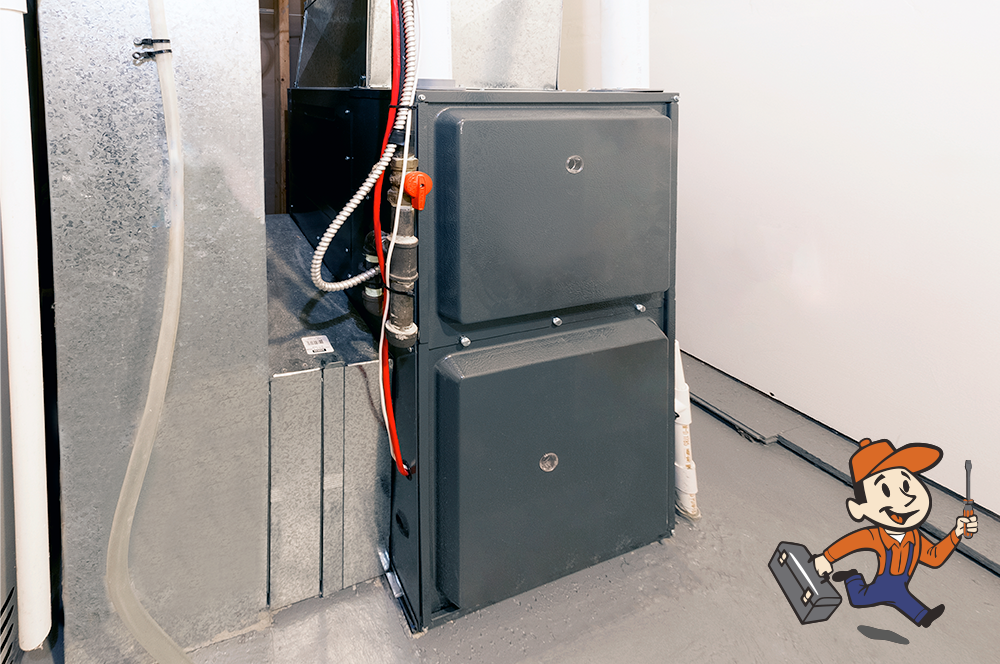
Furnaces are rated by AFUE (Annual Fuel Utilization Efficiency), which measures how effectively they convert fuel into heat. A standard furnace typically operates at about 80% efficiency, while high-efficiency models can reach 95% or higher. That means:
- Less energy waste
- Lower utility bills
- Reduced environmental impact
High-efficiency furnaces often include variable-speed blowers, sealed combustion, and advanced heat exchangers—all designed to make the most of every bit of fuel. However, these added technologies also make them more expensive upfront. That’s why it’s important to balance the initial investment with your long-term savings and comfort expectations, especially when you consider the benefits of fall furnace maintenance and how preparation affects winter performance.
How Much Can a High-Efficiency Furnace Save on Heating Costs?
Energy efficiency can pay off—especially in areas like Manchester, KY, where furnaces work hard during cold snaps. A high-efficiency system may reduce your heating costs by 20–30% annually, depending on your home’s insulation, ductwork, and thermostat habits.
But every home is different. If your existing duct system isn’t sealed properly, or your home loses heat through poor insulation, those savings could drop, which is why many homeowners evaluate upgrading furnace before cold weather to get the best return on investment. Before investing in a high-efficiency furnace, it’s wise to have an HVAC professional from Premier Heating & Air evaluate your home’s performance. They’ll help determine whether upgrading your equipment—or improving your home’s efficiency—will give you the best return on investment.
Benefits of a High-Efficiency Furnace for Winter Comfort
Choosing a furnace isn’t just about efficiency ratings—it’s about finding the right fit for your home and lifestyle. Factors to consider include:
- Size of your home: Too large or too small a furnace can cause uneven heating and wasted energy.
- Fuel type: Gas furnaces are common in Manchester, but electric and dual-fuel systems are also options.
- Maintenance and lifespan: High-efficiency models may require slightly more maintenance to stay at peak performance, and skipped service can sometimes cause problems like a furnace shutting off early during the coldest months.
Working with a trusted local HVAC team ensures your new system is properly sized, installed, and maintained. At Premier Heating & Air, we take time to understand your comfort goals before recommending a system—whether that’s a standard 80% unit or a top-tier high-efficiency model.
Is a High-Efficiency Furnace Worth the Investment?
A new furnace is a major investment, and you deserve to feel confident in your decision. High-efficiency systems can offer big benefits, but the “best” choice depends on your home’s unique needs and your long-term plans. Whether you’re upgrading an aging furnace or building a more efficient home, Premier Heating & Air in Man
Frequently Asked Questions
Question: What does “high-efficiency furnace” mean?
Answer: A high-efficiency furnace is a heating system with an AFUE (Annual Fuel Utilization Efficiency) rating of 90% or higher. This means it converts most of the fuel into heat with minimal waste, making it more energy-efficient than standard furnaces.
Question: Are high-efficiency furnaces worth the extra cost?
Answer: High-efficiency furnaces usually cost more upfront but can significantly reduce heating bills over time. If you live in a colder climate or use your heating system frequently, the long-term savings often outweigh the initial investment.
Question: What factors affect the savings from a high-efficiency furnace?
Answer: Your home’s insulation, the quality of your ductwork, local fuel prices, and how long you plan to stay in your home all impact the potential savings. Well-insulated homes with sealed ductwork tend to benefit the most.
Question: Does a high-efficiency furnace improve home comfort?
Answer: Yes, many high-efficiency models include features like variable-speed blowers and sealed combustion, which help maintain consistent temperatures, reduce noise, and enhance overall comfort in the home.
Question: What should I consider before upgrading to a high-efficiency furnace?
Answer: Before upgrading, evaluate your current system’s age, installation costs, available rebates, and how long you plan to stay in the home. A professional assessment can help determine if the switch will be cost-effective for your needs.