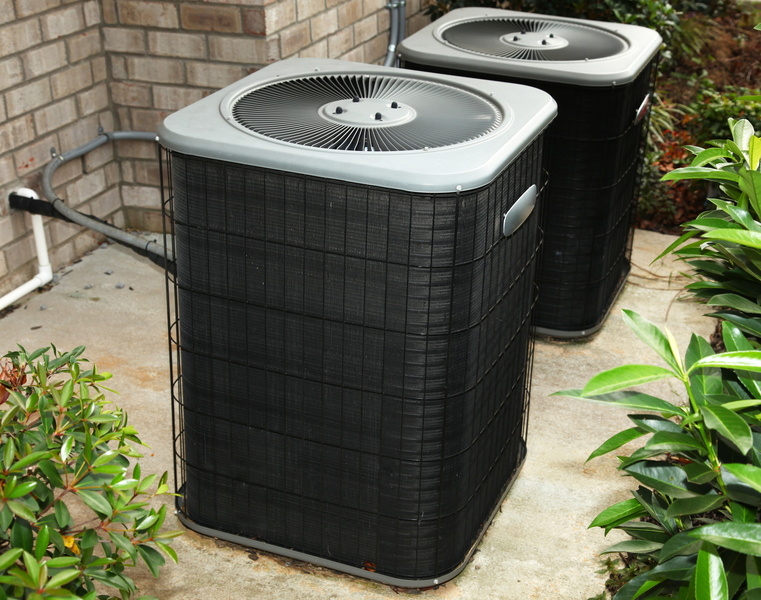
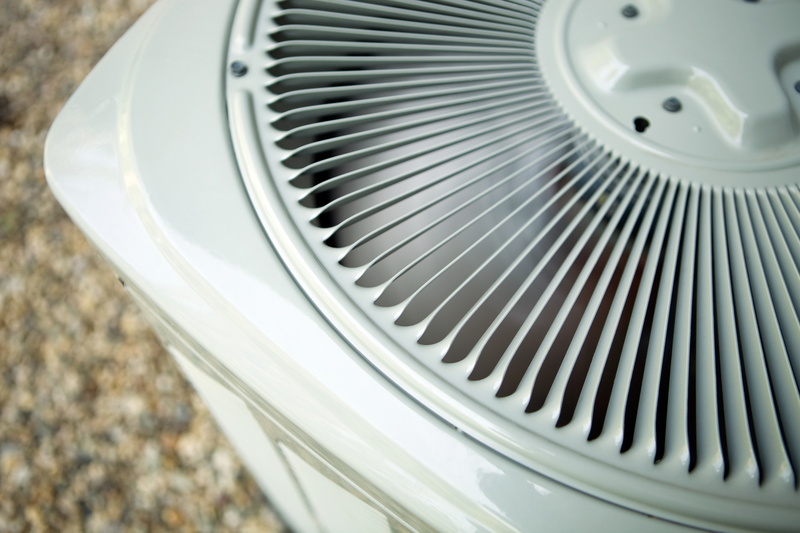
An air conditioning system uses several motors to operate. This is where most of the electrical power goes, and the reason you see an increase in your electric bills during the summer. The most powerful motor drives the compressor, the heart of the AC. There are several other motors in operation, such as the blower fan motor responsible for the circulation of air through a house and moving warm air across the evaporator coil to cool it down.
Motors have a finite service life. They will eventually wear down and need to be replaced. With proper care, you can help keep the motors in your AC running until it’s time to have the entire air conditioner replaced (usually in the 10 to 15-year range). But motors may run down earlier. Learn more about how long you can expect your AC to last to determine whether repair or replacement makes the most sense.
It’s still hot, it’s still summer. But we’re in the late season, and it’s not a bad time to begin thinking about the future of your AC. For example, has your air conditioning system worked to your expectations over this season? Do you think it will be possible to go another summer? If you have doubts about your current air conditioning system, you’ll want to consider having a new air conditioning installation in Glenwood, GA when the temperatures cool down.
Unless you have an electric water heater or furnace, the air conditioner is the most electrically demanding indoor appliance in your house. When an AC switches to cooling mode, it can consume around 3.0 kilowatts per hour per hour. By comparison, just running a ceiling fan consumes 0.025–0.075 kilowatts per hour. When you have to run your AC regularly, you can expect to see an increase in your regular electric bills, especially if your AC runs too long too often.
But if you’ve had the same AC for several years, you’ll have an understanding of how much that increase will be during the summer. When that increase starts to seem abnormally high and you know you aren’t doing anything different with cooling your home, it’s something to pay attention to. You may need to schedule AC repair in Warner Robins, GA with our team. You might even need to consider replacing the air conditioner. In some cases, an oversized AC system can contribute to higher bills by cycling on and off too quickly, leading to wasted energy.
We’ll look into why an AC might become a massive power-draining below. This will help you know what you need to do to get those costs under control. Part of the solution may involve getting your AC prepped for warmer weather so it runs efficiently before summer’s peak.
Why might your AC bills be so high, and when should you call HVAC service?
Clogged air filters: Restricted airflow forces your system to work harder and raises energy usage.
Faulty thermostat: A malfunctioning thermostat may overwork your AC by running it too much or misreading temps.
Refrigerant leaks: Low refrigerant makes your unit cool inefficiently and consume more power.
Leaky air ducts: Escaping conditioned air means your AC runs longer to maintain comfort.
Short-cycling: Frequent on-off cycling strains the system and uses excess energy.
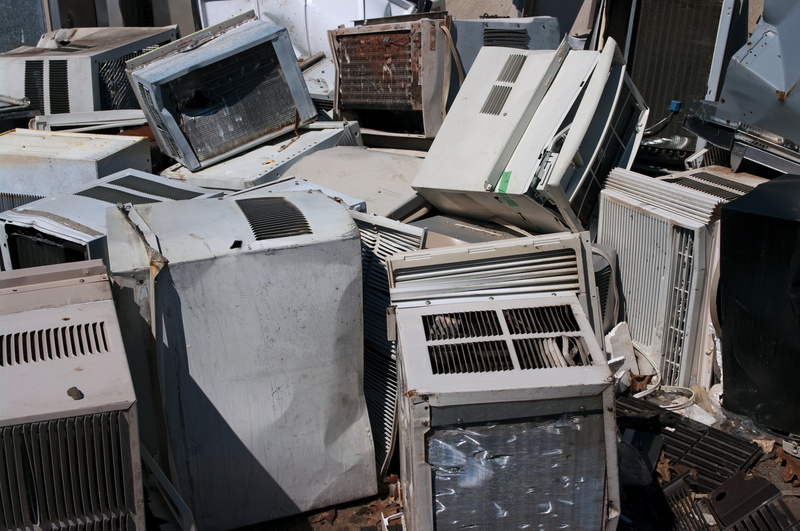
Aging AC unit: Systems over 10-15 years old lose efficiency, time for a check-up or service.
No air conditioning system will last forever: the average central AC will run for 10 to 15 years (with routine maintenance) before it becomes too expensive to run and repair. If you’re currently at the point where you’re planning an air conditioning replacement in Conyers, GA, you might think your only option is to get another standard central AC. That might indeed be the best choice for you. But it isn’t the only choice. This guide compares ductless vs. traditional HVAC systems and can help you weigh what’s best for your layout.
There are several options available when it comes to home cooling. Replacing both cooling units and heating systems together can improve efficiency and compatibility. Below are several to consider. Our technicians are always available to help you make the best choice.
When considering your options, keep in mind that replacing both the furnace and AC at the same time, rather than just one component, ensures a matched system for optimal performance and long-term savings. Replacing both systems together can save homeowners between $2,000 and $5,000 on installation costs. Choosing a new unit as part of a comprehensive upgrade can also provide better compatibility, improved efficiency, and cost savings over time. The average cost to replace an HVAC system is about $7 per square foot. When selecting a new system, the furnace type—whether gas, electric, or oil—will influence installation requirements and overall costs. If your ductwork is older than 15 years, it’s important to have it inspected for leaks, as leaky ducts can waste 20-30% of energy.
Smart AC Replacement Options for Maximum Efficiency
The best system type for your home depends on factors like efficiency, budget, and compatibility with your existing setup. Choosing the right system type can impact installation costs, energy performance, and how well your new equipment matches with your current HVAC components.
Inverter air conditioners: These modern units adjust compressor speed to match cooling needs, delivering consistent temperatures, energy savings, and quieter operation.
Heat pump systems: Offering both heating and cooling by transferring heat instead of generating it, these systems are energy-efficient year-round, especially worthwhile if replacing both AC and heating.
Ductless mini‑split systems: Ideal for homes without ductwork, they allow independent temperature control in different zones, are easy to install, and operate quietly.
Single stage systems: These systems operate at one fixed level of heating or cooling output. While single stage systems are typically less expensive to install, they are less energy-efficient and offer less precise temperature control compared to two-stage or variable-speed systems.
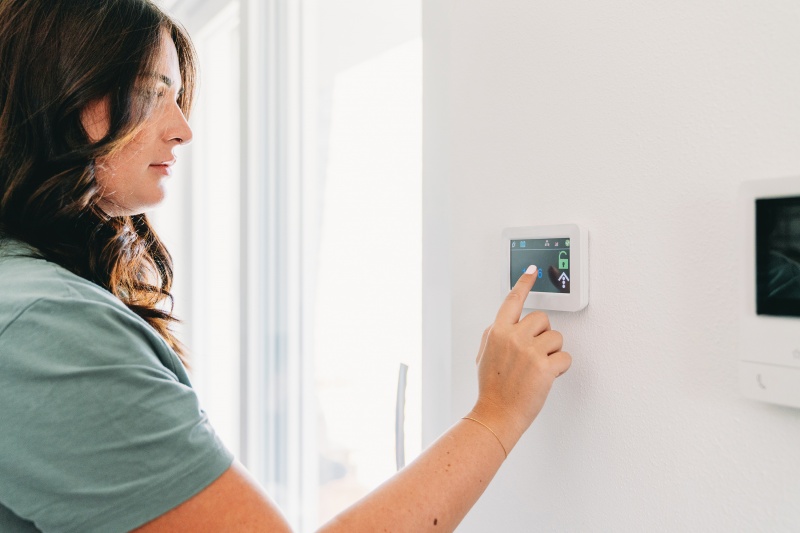
Smart thermostat: Including a smart thermostat with your new HVAC system can enhance energy efficiency and home temperature control. Smart thermostats automatically adjust temperatures based on your schedule or occupancy, helping to lower energy bills and increase convenience.
No matter which system type you choose, professional installation services are essential to ensure your new system operates efficiently and lasts as long as possible.
A central air conditioning system does an immense amount of work each summer to keep a home cool. As we’re now in the second half of summer, you might wonder how long it will take before all this work catches up with your home’s AC.
You can always arrange for repairs when the AC malfunctions, but at a certain point, you’ll face a system that costs too much to keep around and you’ll need to schedule air conditioning replacement in Dublin, GA. How long will your AC last? We’ll look into this question below so you can make plans at the appropriate time.
When the summer is getting started and your home’s air conditioning system begins running on the regular, do you ever wonder if maybe it needs to have its refrigerant refilled or topped off? This is something people often think, but it’s based on a false assumption.
The simple answer is no, your AC will not need more refrigerant put into it during its service life—unless it’s a repair for a refrigerant leak. Our experts in air conditioning in Warner Robins, GA will explain more below.
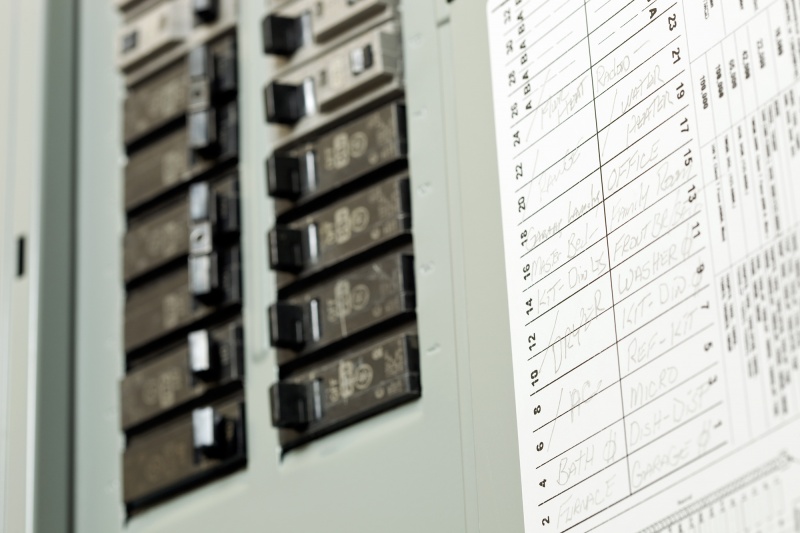
You may occasionally have to go to the circuit breaker panel in your home to reset a tripped breaker. Some appliances can create power surges that trip breakers, although this should never be something that happens regularly.
Because your AC is one of the most powerful electrical appliances in your home (often the most powerful), it might trip the power breaker if it’s pushed for too long. However, if the AC is tripping the circuit breaker repeatedly, then it means something more serious is wrong. You may need to schedule air conditioning repair in Forsyth, GA. Below, we’ll look into why this might happen.
When you install a new central air conditioning system for your home, one of the most important decisions to make is the size of the AC. This doesn’t refer to its physical size, but the amount of cooling power it can provide. If an air conditioner is undersized, it won’t be able to cool the house enough to reach the target temperatures on the thermostat.
But what about an oversized AC? That doesn’t sound so bad—having too much cooling shouldn’t be a problem.
Unfortunately, you can’t err on the side of being too big with an AC. An oversized air conditioner will create many problems. If you plan on an air conditioning replacement in Maysville, make sure you work with professionals like ours so your AC will be the exact size it needs to be. This guide to what size AC your house needs offers more insight into how sizing is calculated and why it matters.
The summer heat means you’ll run your air conditioning system on most days—often for several hours. All the electricity that goes to powering the compressor of the AC will mean a rise in your electricity bill. That’s simply an unavoidable effect of summer weather if you want to manage to stay cool in your home.
But you may find that your summer electricity bills are much higher than you expected. They don’t match how much you’re using your AC. What could be causing this? Below, we’ll look at the most common causes of an AC becoming a power-waster.
A central AC has a straightforward job: distribute enough cooled air to the rooms of a house to create an even spread of comfort. There may be some minor temperature fluctuations, such as in rooms with lower levels of insulation or increased sun exposure. But overall, when you’re running your central AC, you can expect to enjoy comfortable conditions in all your living spaces.
If you start to notice uneven cooling in your house, with some rooms comfortably chill and others feeling far too hot, you might have a problem with the AC. The issue might be a basic one you can solve with troubleshooting, or it may require calling our technicians for air conditioning repair in Nashville, TN.
Below, we’ll look closer at what may be causing your uneven cooling troubles.
 You are viewing the Premier Home location.