Premier Heating and Air Blog for ‘Air Conditioning’ Category

Yikes! Why Are My AC Bills So High?

Monday, August 19th, 2024
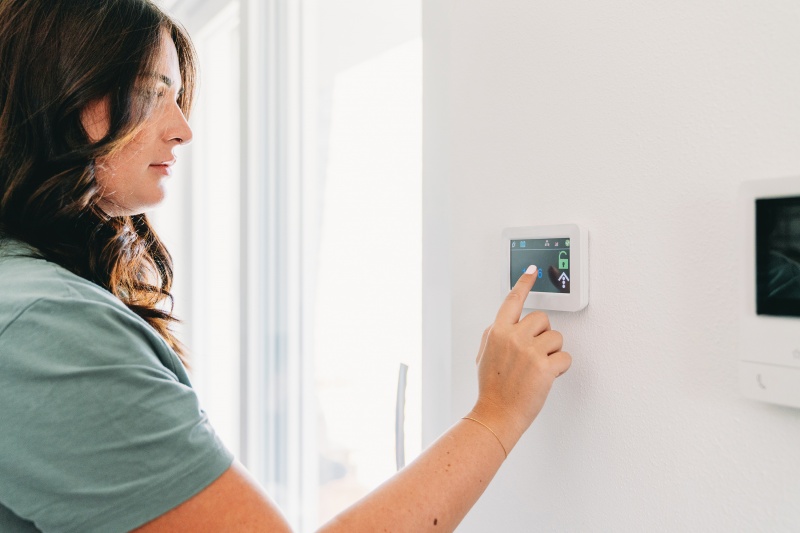
Woman adjusting digital thermostat as part of home HVAC service and temperature control.

Unless you have an electric water heater or furnace, the air conditioner is the most electrically demanding indoor appliance in your house. When an AC switches to cooling mode, it can consume around 3.0 kilowatts per hour per hour. By comparison, just running a ceiling fan consumes 0.025–0.075 kilowatts per hour. When you have to run your AC regularly, you can expect to see an increase in your regular electric bills, especially if your AC runs too long too often.

But if you’ve had the same AC for several years, you’ll have an understanding of how much that increase will be during the summer. When that increase starts to seem abnormally high and you know you aren’t doing anything different with cooling your home, it’s something to pay attention to. You may need to schedule AC repair in Warner Robins, GA with our team. You might even need to consider replacing the air conditioner. In some cases, an oversized AC system can contribute to higher bills by cycling on and off too quickly, leading to wasted energy.

We’ll look into why an AC might become a massive power-draining below. This will help you know what you need to do to get those costs under control. Part of the solution may involve getting your AC prepped for warmer weather so it runs efficiently before summer’s peak.

Why might your AC bills be so high, and when should you call HVAC service?

  • Clogged air filters: Restricted airflow forces your system to work harder and raises energy usage.
  • Faulty thermostat: A malfunctioning thermostat may overwork your AC by running it too much or misreading temps.
  • Refrigerant leaks: Low refrigerant makes your unit cool inefficiently and consume more power.
  • Leaky air ducts: Escaping conditioned air means your AC runs longer to maintain comfort.
  • Short-cycling: Frequent on-off cycling strains the system and uses excess energy.
  • Aging AC unit: Systems over 10-15 years old lose efficiency, time for a check-up or service.
Continue Reading

AC Problems—Could it Be the Thermostat? 

Monday, August 5th, 2024
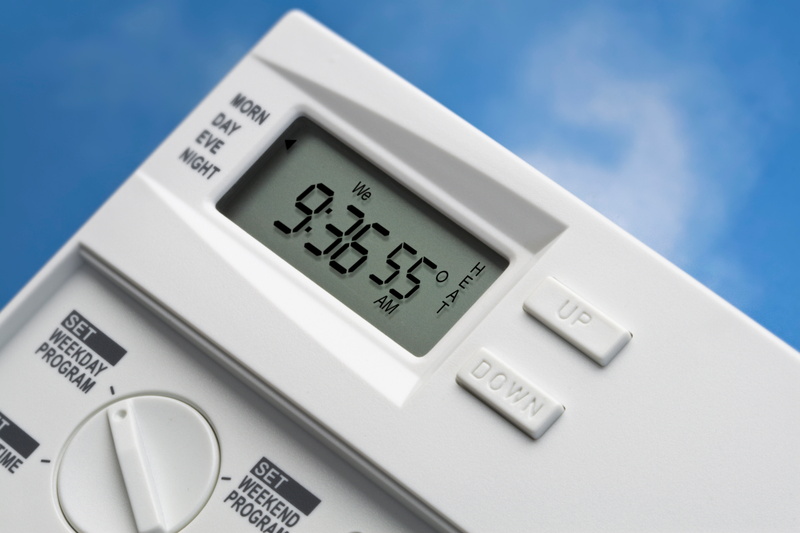
Digital thermostat displaying 55 degrees Celsius against a blue sky background.

Something is wrong: your trusty air conditioning system, which usually has no trouble managing cool temperatures in your home during the summer, is falling down on the job. The house is warmer than it should be, or there are hot spots in the rooms, or the AC keeps shutting down too early.

There are several possible sources for these troubles, and it’s important to call on professionals to find out what it is when basic troubleshooting doesn’t solve them. But the problem may not be in the AC. Often, these cooling issues stem from the thermostat, as we’ll explain below.

Continue Reading

How Long Can I Expect My AC to Last?

Monday, August 5th, 2024
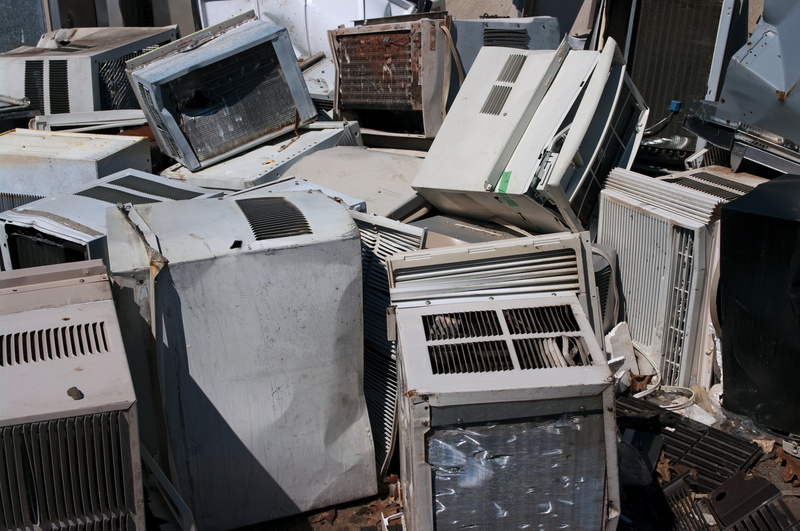
Pile of broken and discarded air conditioning units at a junkyard.

A central air conditioning system does an immense amount of work each summer to keep a home cool. As we’re now in the second half of summer, you might wonder how long it will take before all this work catches up with your home’s AC.

You can always arrange for repairs when the AC malfunctions, but at a certain point, you’ll face a system that costs too much to keep around and you’ll need to schedule air conditioning replacement in Dublin, GA. How long will your AC last? We’ll look into this question below so you can make plans at the appropriate time.

Continue Reading

Time for a New AC? Consider These Options…

Monday, August 5th, 2024
Question mark icon representing uncertainty or questions about AC and furnace replacement and new furnace installation.

No air conditioning system will last forever: the average central AC will run for 10 to 15 years (with routine maintenance) before it becomes too expensive to run and repair. If you’re currently at the point where you’re planning an air conditioning replacement in Conyers, GA, you might think your only option is to get another standard central AC. That might indeed be the best choice for you. But it isn’t the only choice. This guide compares ductless vs. traditional HVAC systems and can help you weigh what’s best for your layout.

There are several options available when it comes to home cooling. Replacing both cooling units and heating systems together can improve efficiency and compatibility. Below are several to consider. Our technicians are always available to help you make the best choice.

When considering your options, keep in mind that replacing both the furnace and AC at the same time, rather than just one component, ensures a matched system for optimal performance and long-term savings. Replacing both systems together can save homeowners between $2,000 and $5,000 on installation costs. Choosing a new unit as part of a comprehensive upgrade can also provide better compatibility, improved efficiency, and cost savings over time. The average cost to replace an HVAC system is about $7 per square foot. When selecting a new system, the furnace type—whether gas, electric, or oil—will influence installation requirements and overall costs. If your ductwork is older than 15 years, it’s important to have it inspected for leaks, as leaky ducts can waste 20-30% of energy.

Smart AC Replacement Options for Maximum Efficiency

The best system type for your home depends on factors like efficiency, budget, and compatibility with your existing setup. Choosing the right system type can impact installation costs, energy performance, and how well your new equipment matches with your current HVAC components.

  • Inverter air conditioners: These modern units adjust compressor speed to match cooling needs, delivering consistent temperatures, energy savings, and quieter operation.
  • Heat pump systems: Offering both heating and cooling by transferring heat instead of generating it, these systems are energy-efficient year-round, especially worthwhile if replacing both AC and heating.
  • Ductless mini‑split systems: Ideal for homes without ductwork, they allow independent temperature control in different zones, are easy to install, and operate quietly.
  • Single stage systems: These systems operate at one fixed level of heating or cooling output. While single stage systems are typically less expensive to install, they are less energy-efficient and offer less precise temperature control compared to two-stage or variable-speed systems.
  • Smart thermostat: Including a smart thermostat with your new HVAC system can enhance energy efficiency and home temperature control. Smart thermostats automatically adjust temperatures based on your schedule or occupancy, helping to lower energy bills and increase convenience.

No matter which system type you choose, professional installation services are essential to ensure your new system operates efficiently and lasts as long as possible.

Continue Reading

AC Water Leaks? Here’s Why It Might Be Happening

Monday, August 5th, 2024
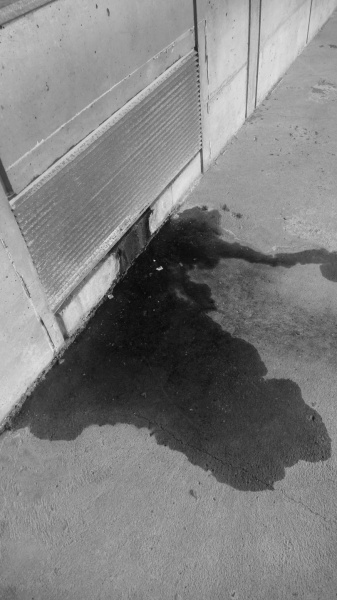
air-conditioner-leaking

Your air conditioning system uses chemical refrigerant to cool the air: it absorbs heat from the air indoors and then transports it outdoors. At no point in the process does the AC use water to cool the air. (There’s a specific type of cooling system that uses water, an evaporative cooler, but they’re uncommon in this area.) 

So why would water start to leak out of your air conditioner? If you see water pooling around your AC, it’s definitely a problem you’ll need to address, probably with professional AC repair in Forsyth, GA. Below we’ll explain why there’s water in your AC and why it may begin to leak, creating potential problems.

Continue Reading

How Do Ductless AC Systems Work?

Monday, August 5th, 2024
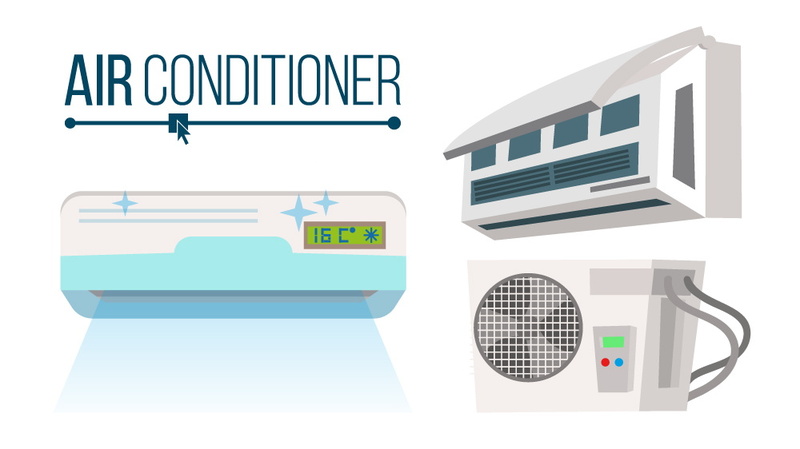
Illustration of ductless mini split air conditioner components with digital temperature display.

Ductless HVAC systems aren’t new technology, but they only recently started to become popular in the US after they conquered the Japanese and European markets. Ductless AC and heating is extremely useful for those locations, where residences are either too small or too old to have ductwork in them for central heating and cooling. 

Quick Fix Steps for Ductless Mini‑Split Issues

  • Clean or replace air filters to restore proper airflow.
  • Confirm thermostat settings and ensure the unit has power.
  • Clear debris from around both indoor and outdoor units.
  • Watch for ice buildup or unusual noises, possible refrigerant issues.
  • For refrigerant leaks, electrical faults, or persistent malfunctions, contact a professional technician.

Using a ductless heat pump for both cooling and heating a home may be the best choice for your home’s HVAC plan, or it may be useful as an addition to a standard HVAC system. If you’re unsure which approach suits your home better, this breakdown comparing ductless vs. traditional HVAC can help clarify the differences.

We’re experts at installation and servicing ductless HVAC systems in Maysville, KY, and today we want to give you a basic primer on how they work.

Continue Reading

A Wheezing AC? Why Its Airflow Is Low

Monday, August 5th, 2024
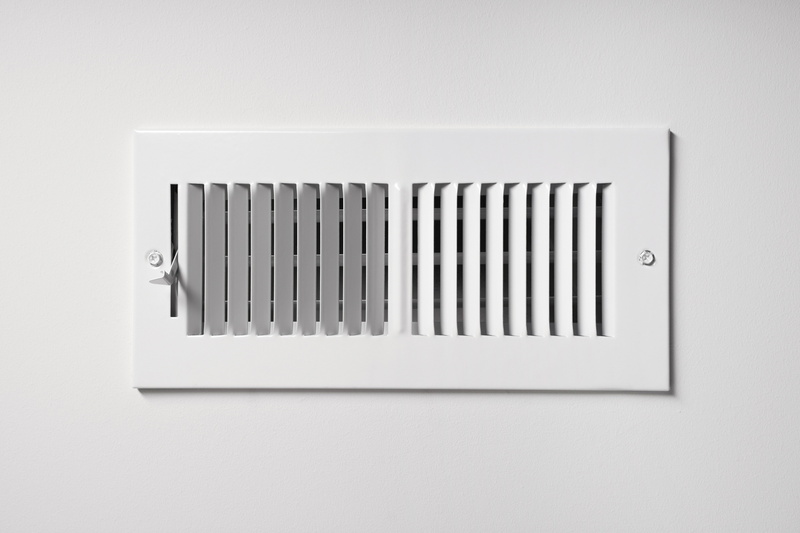
Heating/Cooling Vent

Your air conditioning system can experience “breathing problems.” Much of the AC’s successful operation at keeping your home cool is based on its ability to circulate air—drawing air from the house through return air ducts, cooling it, and then blowing it into supply air ducts to the room. If your AC struggles to do this, it will result in a lower volume of cooled air and less air sent to the rooms. Obviously, This Is Not Good when it comes to your comfort.

So you’ve got a “wheezing” AC on your hands. What’s causing it, and what can you do about it? Below, we’ll examine these questions about poor airflow from an AC and help you identify when you need AC repair in Nashville, TN

Continue Reading

Is It a Good Idea to Get a New AC in the Middle of Summer?

Monday, July 22nd, 2024
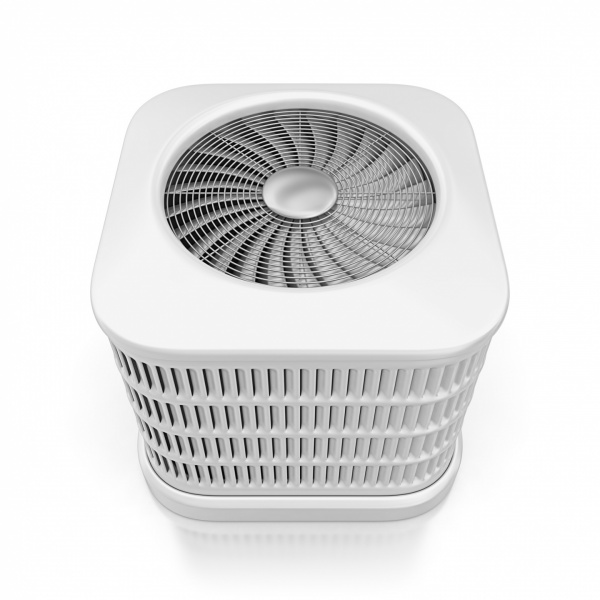
Top view of a white outdoor air conditioning unit on a white background.

If you’re asking this question, it’s probably because you have doubts about your current AC. Maybe it hasn’t completely failed on you, but something isn’t right. Or, you may simply think that upgrading to one of the more energy-efficient models of AC, one with a high SEER2 rating, is just what your household needs. Understanding energy efficiency ratings can help you decide whether now is the right time to upgrade.

We handle air conditioning installation in McDonough, GA and are familiar with all types of situations where homeowners may want to replace an air conditioner right in the middle of the hottest part of the summer. We can make two generalizations before we go further…

Continue Reading

Thermostat Strategy for an Energy-Saving Summer

Monday, July 22nd, 2024
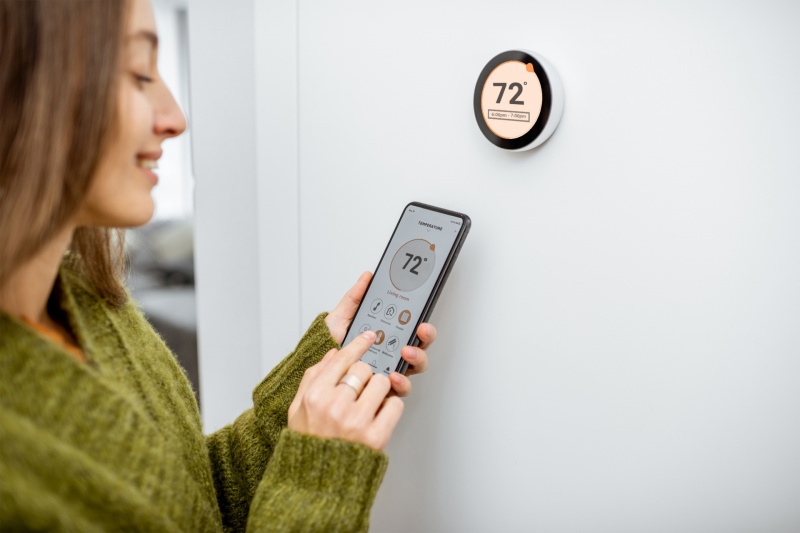
Smiling woman adjusting smart thermostat to 72 degrees using a smartphone after AC service.

The thermostat on the wall of your home has a basic job: turning the air conditioner and blower fan on and off. But like most devices that appear “simple,” a thermostat requires strategies a bit more complex than just “on” and “off.”

For example, if you just turn the AC on when you feel hot and off when it gets too cold, you’re probably wasting energy needlessly, not getting the most ideal comfort situations, and placing too much stress on the AC. This can end up in bills that are too high, extreme temperature swings, and even damage to the AC that can require air conditioning repair in Maysville, KY or even an early replacement. High summer energy bills are often the first sign that thermostat habits may need a rethink.

Let’s talk thermostat strategy for getting ahead of these problems. Don’t worry, it’s not too complicated! Follow us from a strategy session below.

Continue Reading

What’s That AC Noise? These Might Be Repair Warnings!

Monday, July 22nd, 2024
Concerned woman holding hand to ear, listening for unusual noises that may signal need for HVAC repair service.

As the summer heat rolls in, the last thing you want is an air conditioner that’s making strange noises. Your AC should hum along quietly, keeping your home cool and comfortable. But if it starts to sound like a heavy metal band, it might be trying to tell you something. 

What do different AC noises mean and when should you call HVAC repair service?

  • Banging or Clanking: Loose or broken parts, such as fan blades or motor mounts, need fast repair to avoid major damage.
  • Hissing or Bubbling: Often a refrigerant leak that requires professional detection and recharging.
  • Screeching or Squealing: Usually worn or unlubricated bearings in the fan or blower motor.
  • Constant Clicking: Persistent clicking can point to electrical issues or thermostat failure.
  • Rattling: Caused by loose components or trapped debris inside the system.
  • Buzzing: Electrical faults or a failing compressor, turn the unit off and call an HVAC technician immediately.

At Premier, we’ve seen it all when it comes to ACs, and we know that unusual sounds can be the first signs of trouble. Let’s break down some of the common noises you might hear from your AC, what they could mean, and when it’s time to contact us for AC repair in Warner Robins, GA.

Continue Reading