As winter fades and warmer days approach, it’s tempting to put off furnace concerns and focus on springtime activities. However, if your furnace has been running steadily through the colder months, it may develop issues that shouldn’t be ignored. Addressing heating repair in Forsyth, GA now can prevent costly breakdowns, improve efficiency, and ensure your heating system is ready when cold weather returns.
We recommend keeping an eye out for these late-season furnace issues and scheduling repairs promptly—even if warmer days are on the horizon.
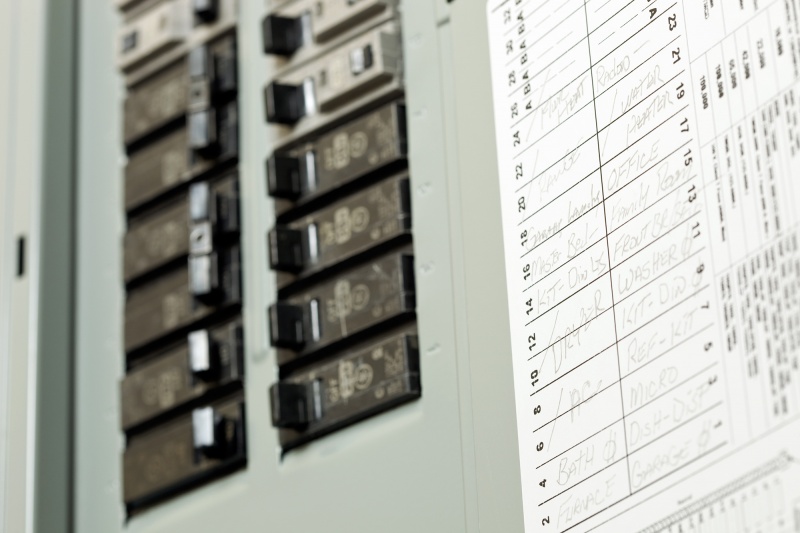
When the temperature drops, your heating system becomes essential for home comfort. But if your heater trips the circuit breaker every time it turns on, you’ve got a problem that needs attention. At Premier Heating & Air, we’ve seen this issue many times and know that it could signal anything from a minor electrical hiccup to a serious safety concern. Let’s explore why this happens and when it’s time to call in the professionals for heater repair in Nashville, TN.
What should you know before a heating system installation?
Before installing a heating system, make sure to:
Verify your home’s electrical capacity supports the unit
As a local homeowner, unexpected HVAC repair in Warner Robins, GA are never on your wish list. They’re inconvenient, expensive, and often happen at the worst possible time—like when your air conditioner stops working in the middle of a Georgia summer or your furnace quits on a chilly night. But what if we told you that you could cut your chances of needing repairs by more than half?
We’ve seen firsthand how regular HVAC maintenance can dramatically reduce repair needs. A well-maintained system runs more efficiently, lasts longer, and avoids many of the common breakdowns that plague neglected units. Let’s dive into how routine tune-ups can save you money and stress by preventing costly HVAC issues before they even start.
How Regular HVAC Maintenance Can Prevent 50% of Future Repairs
Schedule consistent seasonal tune-ups (ideally in spring and fall) to catch minor issues before they grow.
Replace or clean your filters every 1–3 months to maintain airflow and reduce system strain.
Clean condenser and evaporator coils periodically to improve efficiency.
Have professionals inspect refrigerant levels, electrical connections, and moving parts during maintenance visits.
Address small problems like low refrigerant, worn belts, or clogged drains early to avoid costly breakdowns.
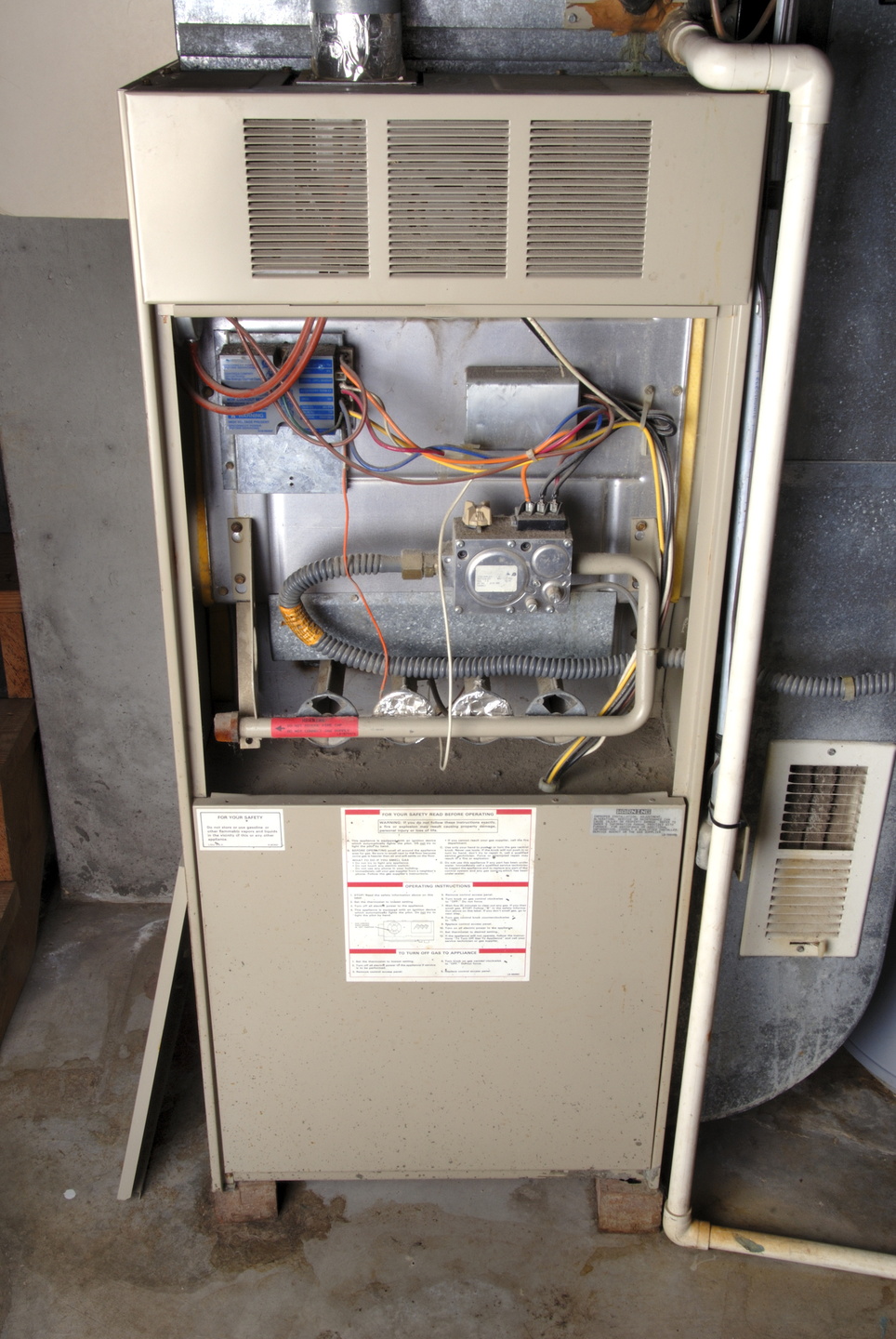
A gas furnace is one of the most reliable heating systems available, but like any mechanical system, it will experience wear and tear over time. While a well-maintained furnace can last 10-15 years, certain components are more prone to failure and may require repairs—or even replacement—before the furnace itself reaches the end of its service life. Premier Heating & Air has seen firsthand how regular maintenance and furnace repair in Dublin, GA can prevent premature breakdowns and keep furnaces running efficiently.
Here are the gas furnace parts most likely to fail and what you can do to extend their lifespan.
Your furnace is supposed to keep your home warm and comfortable, but if it starts making unusual noises, it could be a sign that something is wrong. We’re here to help you recognize warning sounds that indicate you need professional furnace service in Nashville, TN. Ignoring these sounds can lead to bigger problems, costly repairs, and even complete system breakdowns.
What furnace sounds mean you need maintenance?
Unusual furnace noises are often signs it’s time for maintenance. Common sounds include:
Banging: possible ignition or duct issues
Squealing: worn or loose belts
Rattling: loose panels or motor problems
Grinding: failing bearings
Hissing: air leaks or gas concerns
Here are some furnace noises that should never be ignored.
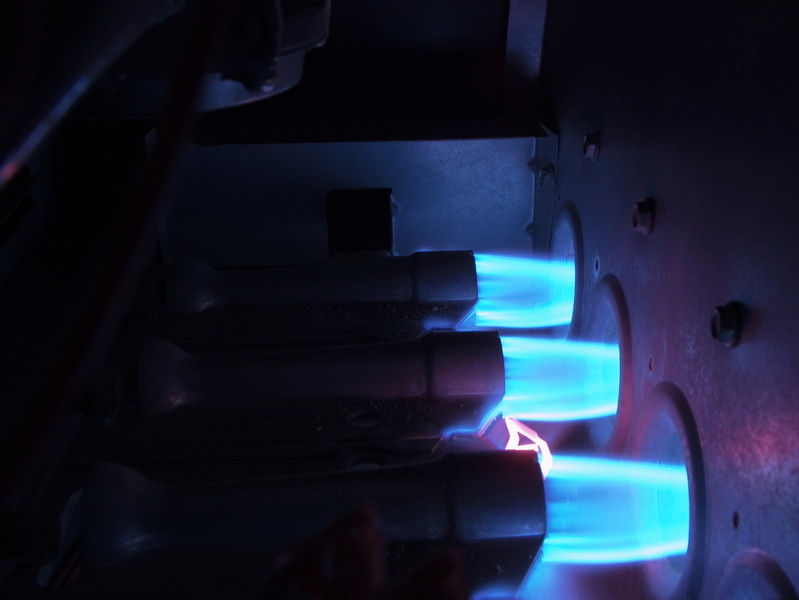
We often hear homeowners ask, “Why is there a delay when my gas furnace comes on?” If you’ve noticed your furnace taking longer than usual to ignite, you might be experiencing what’s known as delayed ignition. This common furnace issue can range from a minor inconvenience to a serious safety hazard. In this post, we’ll break down the causes of delayed ignition, why it happens, and when you should call a professional for heating repair in Forsyth, GA.
As the temperature drops, homeowners rely heavily on their heating systems to keep their spaces warm and comfortable. While most people are aware of the obvious signs of a malfunctioning heating system, such as no heat or strange noises, there are other, less common indicators that something might be wrong.
When should you consider heating system installation instead of repair?
Frequent malfunctions and inconsistent performance suggest the system may be beyond cost-effective repair.
Rising energy bills despite maintenance can indicate inefficiency too severe for standard fixes.
Visible wear, rust, or component corrosion often means age-related decline that repairs can’t fully address.
If the system fails to keep up with heating demands, causing cold spots or uneven warmth, it may be undersized and need replacing.
At Premier, we’ve seen it all, and we’re here to share some odd yet important signs that your heating system may need heating repair in Covington, GA.
How well does your current heating system warm up your house? You might answer, “fine.” But what does saying “fine” really mean? Often, it indicates that your heating system is ready to get an upgrade. That might mean replacing it, scheduling a heater repair in Glenwood, GA for something that’s wrong, or looking into additions that will improve its performance, like a new smart thermostat or adding zone controls to your house. You may even need duct services that will seal up air leaks to ensure your heating works at its best and doesn’t waste money.
What are the best ways to upgrade your home heating system?
Replace an outdated system with a modern furnace installation for improved efficiency
Upgrade to a high-efficiency furnace to reduce energy usage and heating costs
Choose furnace replacement service when repairs become frequent or costly
Improve comfort by installing a properly sized furnace for your home
Pair a new furnace install with thermostat or airflow upgrades for better performance
Below, we examine each of these upgrades to help you better understand how our technicians at Premiere can make a difference for your home heating.
How Upgrading Your Heating System Improves Comfort and Efficiency
Replace old units with modern, energy-efficient models to enhance heating performance and lower energy bills.
Seal ductwork leaks to stop heat loss, boost comfort, and improve airflow throughout your home.
Install smart thermostats or zoning controls for precise temperature management and increased efficiency.
Consider advanced systems like heat pumps or radiant heating to optimize long-term comfort and energy use.
As a homeowner, few things are more unsettling than unexpected noises coming from your furnace. Among these, the sound of a loud “boom” can be particularly alarming. The truth is, a booming furnace isn’t just annoying — it’s a sign that something’s not right. Let’s explore what might be causing your furnace to make that sound and why it’s crucial to address the issue promptly, often with heater repair in Manchester, KY.
When temperatures plummet, your heater becomes the unsung hero of your home, working tirelessly to keep you warm and comfortable. As HVAC contractors at Premier Heating & Air, we’ve seen firsthand how a little preventative care can save homeowners from unexpected breakdowns and costly repairs. Follow these simple tips to keep your heater running smoothly all winter long.
 You are viewing the Premier Home location.