 You are viewing the Premier Home location.
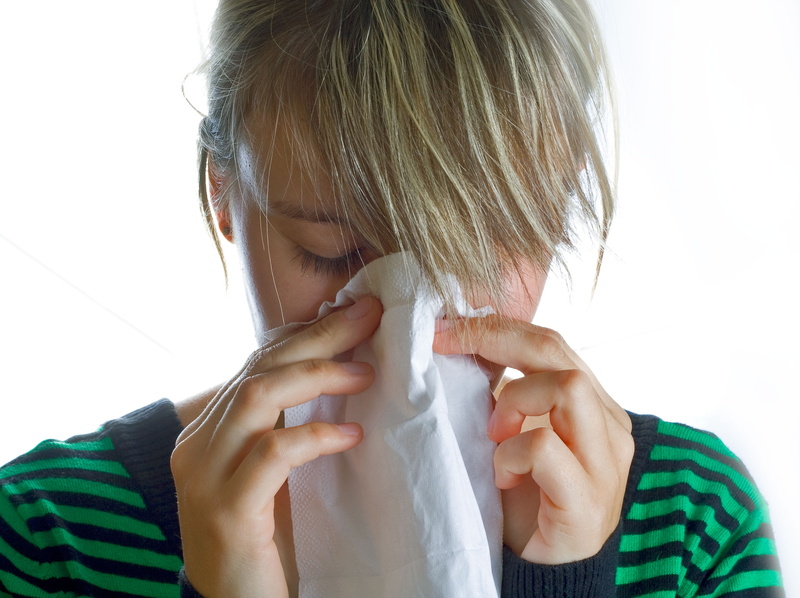
Most people like it when the weather starts to warm up at the start of spring. But the change in seasons brings with it a new challenge: allergies and asthma. As the temperatures start to rise, the pollen count in the air drastically increases—it’s allergy season! If you have people in your household who suffer from allergies such as asthma, this can be an unpleasant time filled with congestion, coughing, eye and nose irritation, and more. These symptoms are often triggered by poor indoor air quality that worsens during allergy season.
You can take steps to alleviate the health problems of allergy season. Seeing an allergist for recommendations on medications, for example. On a simpler level, you can make a dutiful effort to remove as much dust from your home.
Did you know that a quality HVAC company can help make allergy season easier? Our Premier team can really show you the Premier Difference with services like installing air filters and purifiers in in Perry, GA. Let’s look at several ways we can help you beat allergy season.
How Do Indoor Air Quality Services Help During Allergy Season?
- Install high-efficiency air filters to capture pollen, dust, and pet dander
- Clean and seal ductwork to reduce circulating allergens
- Add air purifiers to remove airborne contaminants
- Balance humidity levels to limit mold and dust mite growth
- Improve ventilation to bring in cleaner, filtered outdoor air
- Perform system inspections to ensure optimal airflow and filtration
What Causes Allergy Season Symptoms Indoors?
Before delving into the solutions we offer, let’s look at the root causes of allergy season. As the spring weather warms up, allergens such as pollen, mold spores, and dust mites become more prevalent in the air because of plant blooms. These allergens can enter your home through open windows, doors, and even on your clothing. Once inside, they circulate through your HVAC system, exacerbating allergy symptoms. When that system has air leaks, ductwork problems reduce air quality and make allergy triggers harder to control.
Installing Air Filters and Air Purifiers for Allergy Relief
One of the most effective ways to combat allergy season is by installing high-quality air filters and air purifiers in your HVAC system. Air filters trap airborne particles, preventing them from circulating throughout your home. However, not all air filters are created equal. We offer a range of advanced filtration systems designed to capture even the smallest allergens, including pollen, pet dander, and mold spores. Additionally, our air purifiers use cutting-edge technology to neutralize airborne contaminants, ensuring that your indoor air remains clean and allergen-free.
Installing a Whole-House Dehumidifier for Allergy Control
High humidity levels can worsen allergy symptoms by creating the perfect breeding ground for mold and dust mites. To combat this issue, we recommend installing a whole-house dehumidifier. These systems work in conjunction with your HVAC system to regulate indoor humidity levels, keeping them within the optimal range for comfort and health. By controlling humidity, you can prevent mold growth, reduce dust mite populations, and alleviate allergy symptoms for you and your family.
How Air Duct Cleaning Helps Reduce Allergens
Over time, dust, debris, and allergens can accumulate within your home’s air ducts, compromising indoor air quality and exacerbating allergy symptoms. That’s why regular air duct cleaning is essential for maintaining a healthy indoor environment. Our team of experienced technicians uses state-of-the-art equipment to thoroughly clean your air ducts, removing built-up dirt and allergens and ensuring that your HVAC system operates efficiently. With proper cleaning, these air quality services reduce allergens and help your family breathe easier.
Frequently Asked Questions
Question: How does allergy season affect indoor air quality?
Answer: During spring, allergens like pollen, mold spores, and dust mites increase and can enter your home through windows, doors, or on clothing. Once inside, they circulate through your HVAC system, triggering allergy symptoms.
Question: Can air filters and purifiers reduce indoor allergens?
Answer: Yes. High-quality air filters trap allergens such as pollen and pet dander, while air purifiers neutralize airborne particles. Together, they improve indoor air quality and reduce allergy symptoms throughout your home.
Question: What role does humidity play in allergy symptoms?
Answer: High humidity supports mold growth and dust mite activity, both of which worsen allergies. A whole-house dehumidifier helps maintain ideal humidity levels, preventing these allergens from thriving indoors.
Question: Why is duct cleaning important during allergy season?
Answer: Dust, pollen, and allergens can build up in your air ducts and recirculate through your home. Professional duct cleaning removes these contaminants, supporting better air quality and reducing allergy triggers.
Question: How can HVAC services help during allergy season?
Answer: HVAC professionals can install filters, purifiers, and dehumidifiers, and perform duct cleaning. These upgrades and services work together to reduce allergens, improve comfort, and keep your indoor environment healthier.