 You are viewing the Premier Home location.
As an HVAC contractor, we understand the importance of maintaining healthy indoor air quality in Perry, GA. One of the biggest threats to the air inside your home or business is the presence of volatile organic compounds, or VOCs. But what exactly are VOCs, and how can an HVAC company help mitigate their effects? Let’s break it down.
What Are Volatile Organic Compounds (VOCs)?
VOCs are a group of carbon-based chemicals that easily evaporate into the air at room temperature. They are found in a wide variety of household and industrial products, including:
- Paints, varnishes, and solvents
- Cleaning supplies and disinfectants
- Air fresheners and scented candles
- Pesticides
- Building materials such as carpeting and adhesives
- Personal care products like hairspray and nail polish
While VOCs vary in toxicity, prolonged exposure to high levels can cause a range of health effects, from minor irritations such as headaches and dizziness to more serious conditions like respiratory issues and long-term organ damage. Some VOCs, such as formaldehyde and benzene, are even linked to poor indoor air and should be addressed quickly.
How Volatile Organic Compounds Affect Indoor Air Quality
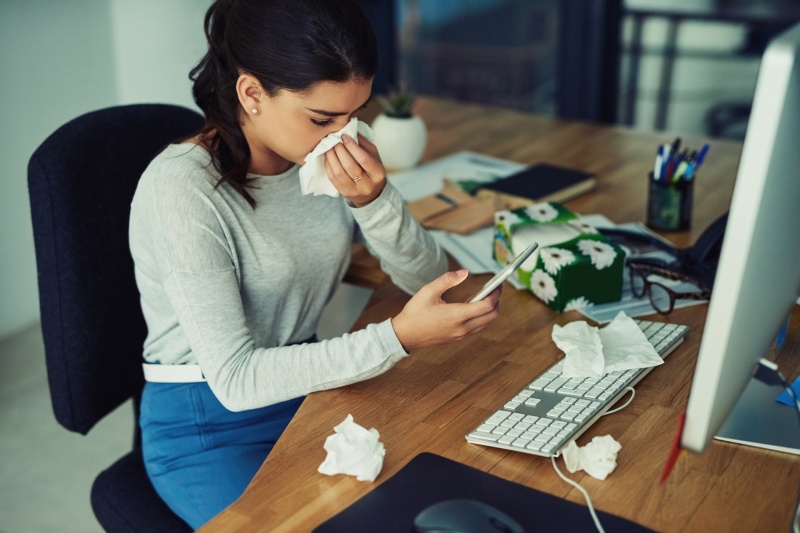
Since VOCs are released from everyday items, they can accumulate indoors, especially in well-sealed homes with poor ventilation. Exposure to VOCs can lead to:
- Eye, nose, and throat irritation
- Worsened allergy or asthma symptoms
- Fatigue and dizziness
- Increased risk of respiratory illnesses
This makes it critical to take steps to reduce VOC levels in your home or business—especially if you spend a lot of time indoors.
How HVAC Systems Help Reduce VOCs in Your Home
At Premier Heating & Air, we specialize in indoor air quality solutions designed to minimize airborne contaminants, including VOCs. Here’s how we can help:
1. Air Purification Systems
Installing an air purifier with high-efficiency filtration can help capture VOCs and other airborne pollutants. Some advanced models use activated carbon filters, which are great for cleaner indoor air by targeting chemicals and odors.
2. Whole-Home Ventilation Systems
Proper ventilation is key to reducing VOC concentrations. A whole-home ventilation system, such as an energy recovery ventilator (ERV) or heat recovery ventilator (HRV), helps cycle out stale, polluted indoor air while bringing in fresh outdoor air without sacrificing energy efficiency.
3. Upgraded HVAC Filters
Standard air filters may not effectively capture VOCs, but high-MERV-rated filters or HEPA filters can significantly improve indoor air quality. Some advanced filters are designed to remove gaseous pollutants alongside particulate matter.
4. Humidity Control
VOCs tend to off-gas more in high-humidity environments. By maintaining proper indoor humidity levels with a dehumidifier or a whole-home humidity control system, you can boost indoor air quality and reduce harmful emissions.
5. Duct Cleaning Services
Over time, VOCs and other pollutants can settle in your ductwork and continuously circulate throughout your home. Professional duct cleaning can remove accumulated contaminants and improve overall air quality.
Practical Ways to Reduce VOCs in Your Home
In addition to professional HVAC solutions, there are steps you can take to minimize VOC exposure:
- Choose low-VOC or VOC-free products when possible.
- Increase ventilation when using chemicals by opening windows or using exhaust fans.
- Store household chemicals in a well-ventilated area or outside the home.
- Avoid excessive use of air fresheners and scented candles.
Professional VOC Reduction Solutions for Healthier Indoor Air
If you’re concerned about VOCs affecting your home’s air quality, Premier Heating & Air is here to help. We offer customized solutions to reduce indoor pollutants and create a healthier living environment. Contact us today to learn more about our indoor air quality services and schedule an air quality assessment!
Frequently Asked Questions
Question: What are volatile organic compounds, or VOCs?
Answer: Volatile organic compounds (VOCs) are a group of carbon based chemicals that easily evaporate into the air at room temperature. They come from many everyday products like paints, cleaning supplies, air fresheners, pesticides, and building materials, and can affect indoor air quality.
Question: Why are VOCs a concern for indoor air quality?
Answer: VOCs are released from common household items and can accumulate indoors, especially in well sealed spaces. Indoor VOC levels are often higher than outdoor levels and can contribute to air pollution and weakened indoor air quality.
Question: What health effects can exposure to VOCs cause?
Answer: Exposure to VOCs can cause eye, nose, and throat irritation, headaches, dizziness, fatigue, worsened allergy or asthma symptoms, and at high or prolonged levels, more serious respiratory or organ effects. Some VOCs like formaldehyde and benzene are considered carcinogenic.
Question: Where do VOCs come from in the home?
Answer: VOCs are emitted from many indoor sources such as paints, varnishes, solvents, cleaning and disinfecting products, air fresheners, scented candles, pesticides, carpets, adhesives, and personal care products like hairspray and nail polish.
Question: How can I reduce VOC levels in my home?
Answer: To reduce VOCs at home, choose low VOC or VOC free products, increase ventilation when using chemicals, store chemicals in well ventilated areas or outside, and avoid excessive use of air fresheners and scented candles, which can release VOCs.