 You are viewing the Perry & Warner Robins, GA location.
Unless you have an electric water heater or furnace, the air conditioner is the most electrically demanding indoor appliance in your house. When an AC switches to cooling mode, it can consume around 3.0 kilowatts per hour per hour. By comparison, just running a ceiling fan consumes 0.025–0.075 kilowatts per hour. When you have to run your AC regularly, you can expect to see an increase in your regular electric bills, especially if your AC runs too long too often.
But if you’ve had the same AC for several years, you’ll have an understanding of how much that increase will be during the summer. When that increase starts to seem abnormally high and you know you aren’t doing anything different with cooling your home, it’s something to pay attention to. You may need to schedule AC repair in Warner Robins, GA with our team. You might even need to consider replacing the air conditioner. In some cases, an oversized AC system can contribute to higher bills by cycling on and off too quickly, leading to wasted energy.
We’ll look into why an AC might become a massive power-draining below. This will help you know what you need to do to get those costs under control. Part of the solution may involve getting your AC prepped for warmer weather so it runs efficiently before summer’s peak.
Why Are Your AC Bills So High, and When Should You Call for Service?
- Clogged air filters: Restricted airflow forces your system to work harder and raises energy usage.
- Faulty thermostat: A malfunctioning thermostat may overwork your AC by running it too much or misreading temps.
- Refrigerant leaks: Low refrigerant makes your unit cool inefficiently and consume more power.
- Leaky air ducts: Escaping conditioned air means your AC runs longer to maintain comfort.
- Short-cycling: Frequent on-off cycling strains the system and uses excess energy.
- Aging AC unit: Systems over 10-15 years old lose efficiency, time for a check-up or service.
Common Reasons Your AC Bills Are So High
Clogged air filters
When the air filter in your AC becomes clogged with dust, dirt, and debris, it restricts airflow. This makes your air conditioner work harder to cool your home, leading to increased energy consumption. Regularly checking and replacing the air filter can prevent this issue and keep your cooling costs down.
Faulty thermostat
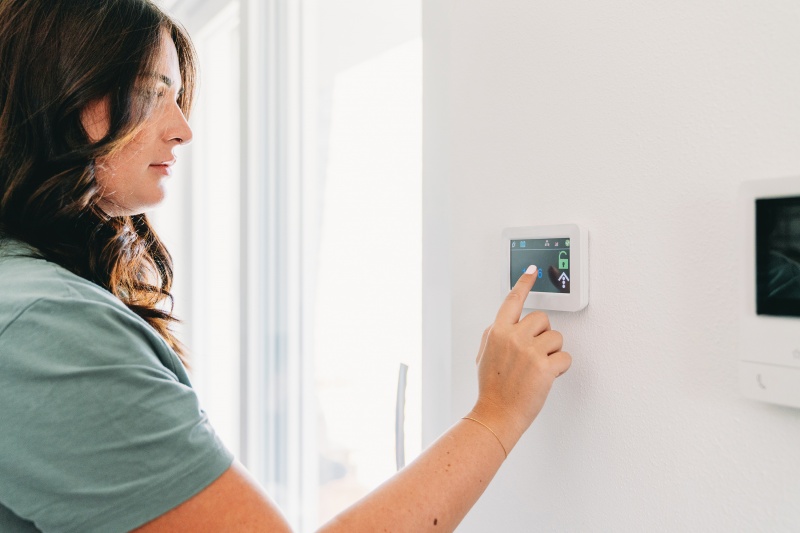
A malfunctioning thermostat can cause your AC to run more often than necessary, or it may not accurately gauge the temperature in your home. This can lead to your system using more energy than it should. If you suspect your thermostat isn’t working correctly, it could be tied to common thermostat-related problems that require professional attention.
Refrigerant leaks
Refrigerant is essential for your AC to cool the air properly. If there’s a leak, the system will work harder to achieve the desired temperature, which increases energy usage. A refrigerant leak is not only costly but can lead to more severe damage to your AC if not addressed promptly by a pro.
Leaky air ducts
If the ductwork in your home has leaks, conditioned air will escape before it reaches its intended destination. Your AC has to run longer to cool your home, driving up electricity bills. Sealing leaks in the ducts will improve efficiency and reduce cooling costs.
Short-cycling
Short-cycling occurs when your AC turns on and off frequently without completing a full cooling cycle. This strains the system and uses more energy. Short-cycling can be caused by various issues, and addressing the root cause is essential to stop ongoing energy waste.
Over-the-Hill AC
As air conditioners age, they become less efficient. An older AC may need to run longer to cool your home, which leads to electrical drain. If your system is more than 10–15 years old and your energy bills are rising, it might be time to think about your AC’s future beyond this summer.
Count on Premier to Solve High AC Bill Issues
If you’re experiencing unusually high cooling bills, don’t wait to take action. We have the expertise to diagnose the problem and offer solutions that can help you save on energy costs. Whether it’s a simple repair or a complete system replacement, we’re here to ensure your home stays cool and your bills don’t cause anxiety attacks. If you’re unsure what to install next, we can help you decide whether to replace your AC with a similar model or upgrade to something more efficient.
Frequently Asked Questions
Question: Why are my AC bills suddenly so high?
Answer: A sudden increase in AC bills can happen when the system has to run longer than usual to keep the home comfortable. Common reasons include dirty filters, clogged coils, low refrigerant, duct leaks, thermostat problems, poor insulation, or extreme outdoor heat that makes the air conditioner work harder.
Question: Can an air conditioner use more energy even if it still cools the house?
Answer: Yes, an AC can still cool while using too much energy. If airflow is restricted, coils are dirty, or parts are wearing down, the system may need longer cycles to reach the thermostat setting. That extra run time can raise utility costs before a full breakdown happens.
Question: How do thermostat habits affect cooling costs?
Answer: Setting the thermostat very low, changing it constantly, or leaving the fan set to “on” can increase energy use. A steady, reasonable temperature helps the system work more efficiently. Programmable or smart thermostats can also help reduce cooling demand when no one is home.
Question: Could my home be causing high AC bills?
Answer: Yes, high cooling bills are not always caused by the AC unit alone. Poor insulation, air leaks, leaky ducts, sunny windows, attic heat, and blocked vents can all make cooled air harder to keep indoors. Improving the home’s efficiency can reduce how hard the system has to work.
Question: When should high AC bills be checked by a technician?
Answer: Schedule service if your bill rises sharply, the AC runs much longer than normal, rooms feel uneven, airflow is weak, or the system makes new noises. A technician can inspect the equipment, airflow, refrigerant level, thermostat, and ductwork to find what is wasting energy.